
Iran Issues Warning to US Over Israeli Influence in Nuclear Negotiations
Iran has issued a direct warning to the United States, urging Washington not to allow Israeli interference to undermine crucial nuclear negotiations. The intervention from Tehran comes as Israeli Prime Minister Benjamin Netanyahu travels to Washington for a hastily arranged meeting with former US President Donald Trump, amid growing concerns about the direction of diplomatic talks.
Netanyahu's Washington Mission and Regional Tensions
Benjamin Netanyahu's visit to the White House represents a significant diplomatic moment, with the Israeli leader expected to present fresh intelligence about Iran's military capabilities, including new long-range ballistic missiles. Netanyahu has expressed deep concerns that US negotiators might be prepared to strike a deal focused solely on limiting Iran's nuclear programme, which Israel believes would fail to address Tehran's broader regional threat.
The Israeli prime minister faces a delicate balancing act during his Washington discussions. He risks alienating Trump's respected aides by presenting demands that could potentially force the United States into prolonged conflict with Iran. Furthermore, Netanyahu must navigate the complex dynamics of Republican party politics while addressing unfulfilled promises regarding support for Iranian protesters.
Iran's Diplomatic Response and Security Concerns
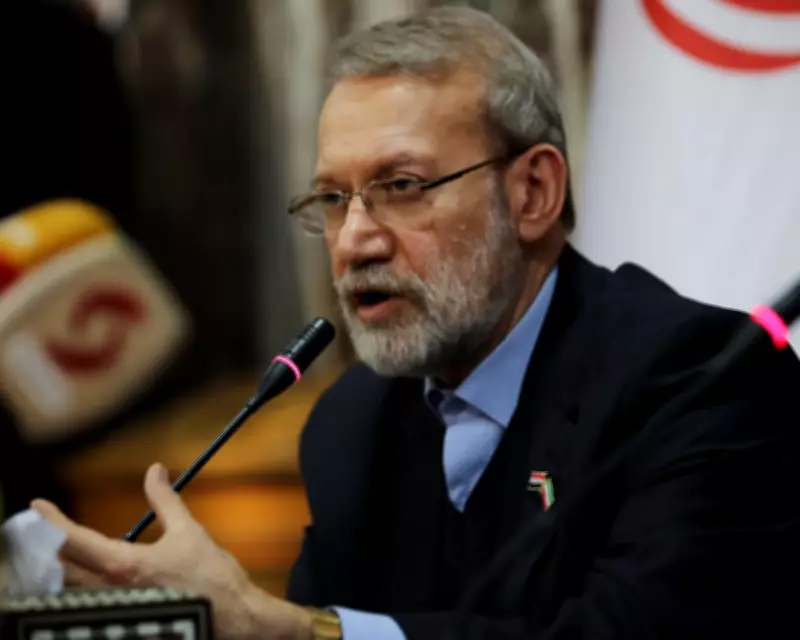
Iran's security chief, Ali Larijani, who heads the Supreme National Security Council overseeing Tehran's negotiating strategy, delivered a pointed message to American officials. "The Americans should think wisely and not allow him, with his posturing, to create the impression before his flight that he is going to the United States to set the framework of nuclear negotiations," Larijani stated. "They must remain vigilant regarding Israel's destructive role."
Iranian foreign ministry spokesperson Esmail Baghaei reinforced this position during his weekly press briefing, emphasising that "Our negotiating party is America. It is up to America to decide to act independently of the pressures and destructive influences that are detrimental to the region."
Complex Negotiating Landscape and Domestic Challenges
The diplomatic landscape remains fraught with complexity as indirect talks between the US and Iran continue in Oman. Even if discussions focus primarily on nuclear issues as Tehran prefers, significant obstacles remain. Iran insists on maintaining its right to enrich uranium for nuclear power plants, a position permitted under the 2015 agreement but seemingly ruled out by the Trump administration.
Meanwhile, Iran faces internal political challenges, with reformist groups and academics protesting against the suppression of dissent and the arrest of Reformist Front leaders. The front has issued statements warning that the regime's exclusionary approach could strengthen factions supporting Israel and exacerbate political deadlock.
Military Posturing and Technical Considerations
The United States has demonstrated military readiness in the region, deploying the aircraft carrier Abraham Lincoln and three accompanying warships capable of targeting Iranian military and economic sites. American forces have also bolstered air defences across regional bases.
On the technical front, Iran's atomic energy authority has indicated Tehran might consider diluting its stock of highly enriched uranium to 60% purity. While this represents a limited concession, it falls significantly short of the 3.75% purity limit established in the 2015 nuclear agreement.
The convergence of diplomatic manoeuvring, regional security concerns, and domestic political pressures creates a volatile environment for nuclear negotiations, with all parties navigating complex relationships and competing priorities.




