
Iran War Timeline: Civilian Toll Mounts as US-Israel Campaign Enters Fourth Week
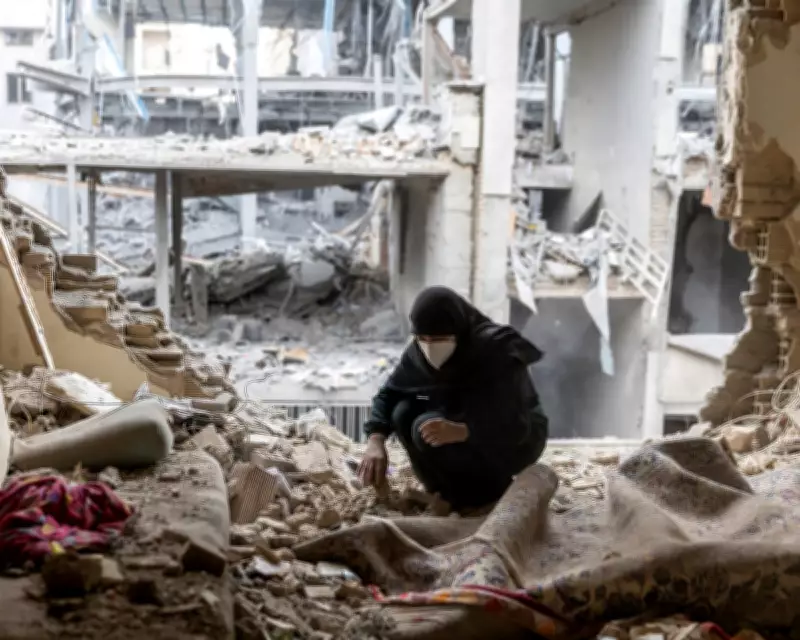
The Iranian Red Crescent Society has reported a staggering humanitarian toll in the ongoing conflict, with more than 80,000 civilian sites struck across Iran since the war began. This devastating figure underscores the severe impact on ordinary citizens as the United States and Israel continue their military campaign against the country.
Initial Strikes and Civilian Casualties
The conflict commenced with a series of devastating attacks between February 28 and March 7. On the very first day of bombing, a Tomahawk missile strike targeted an Iranian school, resulting in at least 175 fatalities, the majority of whom were children. US investigators have reportedly indicated that American forces bear responsibility for this tragic incident.
Simultaneously, an assault on a sports hall in Lamerd claimed the lives of 20 individuals, including teenage girls engaged in a volleyball game. The following day, Gandhi Hospital in Tehran sustained extensive damage in further strikes, prompting the World Health Organization chief, Dr. Tedros Adhanom Ghebreyesus, to label the event as extremely worrying.
Cultural heritage suffered immensely during this initial phase, with the UNESCO World Heritage Site Golestan Palace and the ancient Grand Bazaar in Tehran among the historic locations significantly damaged. Countless shops and cafes nationwide were also affected by the bombing orders issued by US President Donald Trump and Israeli Prime Minister Benjamin Netanyahu.
Attacks on civilian sites violate international law, though Israel and the US often justify such devastation as incidental to strikes on military or strategic targets. The United Nations refugee agency noted that approximately 100,000 people fled Tehran within the first 48 hours of the offensive.
Environmental and Cultural Devastation
From March 8 to 15, the environmental consequences became alarmingly apparent. Residents of Tehran reported black clouds and contaminated black rain following Israeli bombings of fuel depots near the capital. The World Health Organization warned that these environmental impacts could severely affect children, the elderly, and individuals with pre-existing medical conditions.
Iran's Ministry of Culture and Heritage disclosed that Israeli airstrikes had damaged culturally significant buildings in Isfahan, renowned for its historic Islamic architecture. Structures such as Ali Qapu Palace, Chehel Sotoun, and Jameh Mosque were hit, despite reportedly flying blue flags indicating their protected status. This occurred shortly after the third-century Shapur Khast castle in western Iran suffered structural damage.
By March 14, the Iranian Red Crescent Society reported that over 40,000 civilian buildings, including 10,000 homes, had been damaged in the first two weeks of the war. The humanitarian organization also revealed they had received 70,000 calls from individuals seeking mental health support, guidance, and counselling.
Humanitarian Crisis and Economic Strain
Between March 16 and 21, the United Nations human rights chief, Volker Türk, expressed grave concerns. He warned that densely populated urban areas and major energy facilities across the Middle East were under attack, forcing many to observe Eid in hardship, uncertainty, and fear.
The Office of the UN High Commissioner for Human Rights detailed widespread civilian suffering, including disruptions in electricity supply and shortages of medicine, baby formula, and fuel. Housing complexes, medical facilities, shops, courthouses, UNESCO World Heritage sites, energy installations, and approximately 500 schools had been struck by US-Israeli missiles in Iran.
Amidst this turmoil, the UN noted that the Iranian regime has intensified its repression, with political prisoners facing harsher conditions, critics being arrested, and internet access restricted. Inflation in Iran has reportedly reached its highest levels since the Second World War, exacerbating a cost-of-living crisis that had previously triggered protests. Basic foods have become unaffordable for many, prompting the Iranian government to raise the minimum wage by 60% on March 20 in response.
On March 21, Iran's state broadcaster announced that more than 1,500 people had been killed in the country since the war began.
Escalating Threats and Strategic Implications
On March 22, Donald Trump issued a stark warning, threatening the destruction of Iran's energy infrastructure if the country refuses to reopen the Strait of Hormuz. Iran had restricted passage through this critical chokepoint, through which 20% of the world's oil typically flows, shortly after the US-Israeli offensive began. Currently, only about five ships per day are permitted passage by Iranian authorities, who are grappling with the assassination of Ayatollah Ali Khamenei and other senior officials. This restriction has caused oil prices to skyrocket.
Trump declared on Truth Social that the US would hit and obliterate Iranian power plants, starting with the largest, if Tehran did not fully reopen the strait within 48 hours. In response, Iran stated it would completely shut the Strait of Hormuz if Trump proceeded with his threats, asserting, We did not start the war and we will not start it now, but if the enemy harms our power plants, we will do everything to defend the country and the interests of our people.
On Sunday, the Iranian Red Crescent Society updated its assessment, confirming that over 80,000 civilian sites had been hit since the war began, including 260 medical facilities. This ongoing humanitarian catastrophe highlights the profound and growing toll on Iranian civilians as the conflict persists into its fourth week.




