Iranian Forces Seize Two Ships in Critical Strait of Hormuz Amid Escalating Standoff
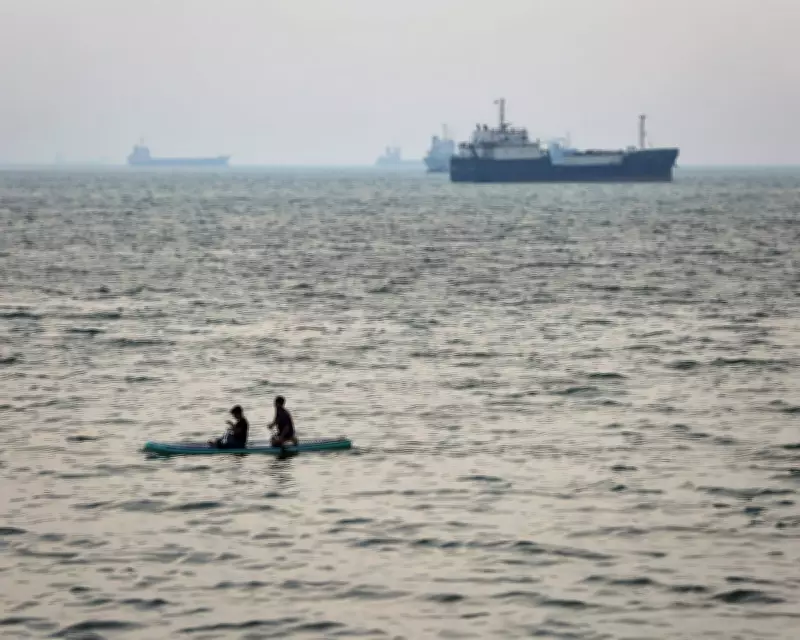
In a significant escalation of tensions in the Middle East, Iranian forces have seized two commercial ships in the strategically vital Strait of Hormuz. The Islamic Revolutionary Guard Corps (IRGC) naval units intercepted the vessels, accusing them of attempting to covertly exit the waterway. This marks the first such seizure by Iran since the onset of the wider regional conflict on February 28.
'Impossible' to Reopen Waterway Amid 'Flagrant' Ceasefire Breaches
Mohammad Bagher Ghalibaf, the Speaker of the Iranian Parliament and lead negotiator, declared late Wednesday that reopening the Strait of Hormuz would be "impossible" while the United States and Israel commit what he termed "flagrant" breaches of the ceasefire. In a post on social media platform X, Ghalibaf condemned the US naval blockade as "the hostage-taking of the world's economy" and accused Israel of "Zionist warmongering." He asserted that neither military aggression nor bullying would allow the US and Israel to achieve their objectives.
The seized ships have been identified as the Panama-flagged MSC Francesca and the Liberia-flagged, Greek-operated Epaminondas. Greece's foreign minister confirmed an attack on a Greek-owned cargo ship, while a UK-based maritime security monitor reported an incident where an Iranian gunboat fired upon a vessel, causing significant damage to its bridge.
Dueling Blockades and Global Economic Fallout
The strait, a chokepoint through which approximately 20% of the world's oil and liquefied fossil gas passed during peacetime, is now subject to separate blockades imposed by both Washington and Tehran. This standoff has cast severe doubt on the resumption of stalled peace negotiations and triggered a spiraling global economic crisis.
White House Press Secretary Karoline Leavitt stated that former President Donald Trump was "satisfied" with the US naval blockade and understood Iran to be in a "very weak position." She claimed the US blockade was "completely strangling their economy," costing Iran an estimated $500 million daily. However, the US strategy has failed to overthrow the anti-US regime in Tehran or halt Iran's nuclear ambitions, instead leading to Iran's forced closure of the strait.
The economic repercussions are widespread:
- Asian nations dependent on Gulf oil are experiencing severe shortages of fuel, fertilizer, and raw materials.
- Germany, Europe's largest economy, slashed its 2026 growth forecast to a mere 0.5%.
- Greece announced an additional €500 million in aid for households and farmers grappling with soaring fuel and living costs.
The head of the UN's International Maritime Organization has appealed for assistance for the approximately 20,000 seafarers and 2,000 ships stranded in the Gulf due to the closure.
Failed Diplomacy and Regional Violence
Diplomatic efforts remain in disarray. Pakistan, acting as a mediator, prepared a luxury hotel in Islamabad for talks, but the venue stood empty on Wednesday. Iran never publicly accepted the invitation, and the US delegation, led by Vice President JD Vance, never departed Washington. A Pakistani official expressed disappointment, noting the Iranians had never refused and were expected to join.
Adding to the regional bloodshed, despite a tenuous 10-day ceasefire, Israeli strikes in Lebanon killed five people on Wednesday, including journalist Amal Khalil. Hezbollah, an Iranian proxy group, claimed an attack on northern Israel in retaliation for "flagrant" ceasefire violations. Lebanese authorities report at least 2,454 people killed in Israeli attacks since the war began. Preparations are reportedly underway for rare negotiations between Lebanon and Israel, two nations without formal diplomatic relations.
This complex crisis, with its roots in Trump's withdrawal from the Iran nuclear deal and years of regional hostility, now centers on a critical waterway, with global trade and stability hanging in the balance.