
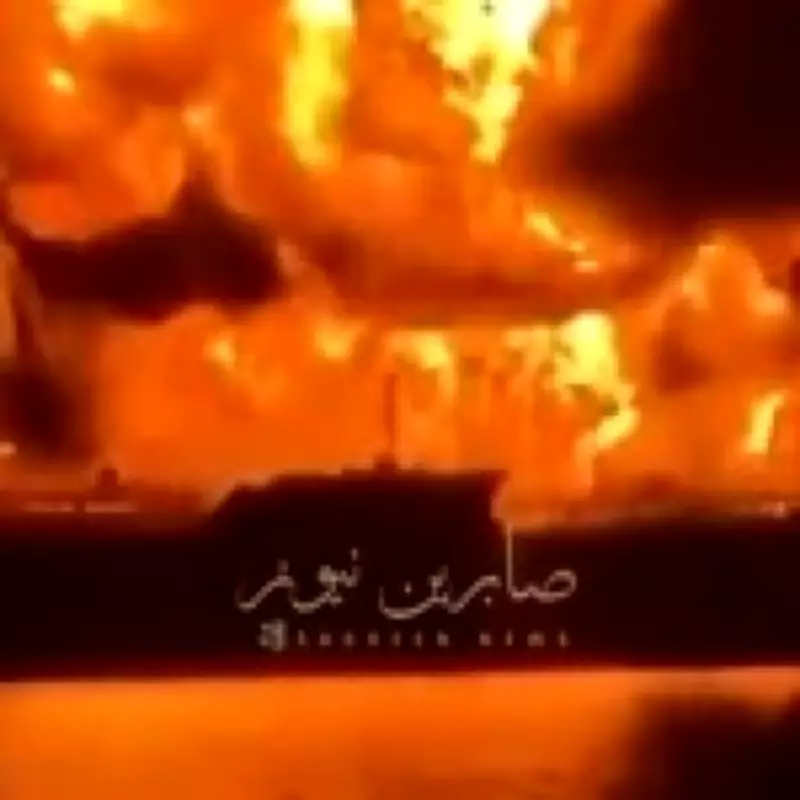
In a dramatic escalation of maritime conflict, two oil tankers were struck and set ablaze by explosive-laden drone boats in the strategic Strait of Hormuz. The attacks occurred in the early hours of March 12, 2026, targeting vessels carrying Iraqi fuel oil and threatening to destabilize global energy markets.
Details of the Drone Boat Assault
According to the UK Maritime Trade Operation, the Marshall Islands-flagged Safesea Vishnu and the Zefyroswere were hit by an "unknown projectile" off the coast of Iraq around 1:30 am local time. The unmanned watercraft, similar to aerial drones but operating on the sea, are believed to have been packed with explosives, causing massive fires upon impact.
Iraqi news agencies reported that 38 crew members were successfully rescued from the stricken vessels, but tragically, one person lost their life in the incident. In a separate attack overnight, another container ship was struck off the coast of the United Arab Emirates, catching fire though fortunately all crew members survived.
Iran's Stark Warning and Regional Fallout
Farhan al-Fartousi, Iraq's director general of the General Company for Ports, confirmed that "two foreign tankers carrying Iraqi fuel oil were subjected to unidentified attacks inside territorial waters, causing them to catch fire." In response to the security threat, Iraq has suspended all oil import and export operations, though commercial ports serving container ships continue normal operations.
The spokesperson for Iran's military command issued a chilling warning following the attacks: "Get ready for oil to be $200 a barrel, because the oil price depends on regional security which you have destabilized." This threat comes amid heightened tensions in one of the world's most crucial shipping corridors.
Strategic Importance of the Strait of Hormuz
The Strait of Hormuz represents a narrow but vital waterway off Iran's southern coast, through which approximately 80 oil and gas tankers pass daily. This maritime chokepoint carries about one-fifth of the globe's crude oil supply, making it indispensable to global energy security.
Iran has long asserted control over this strategic stretch connecting the Persian Gulf with the open waters of the Indian Ocean. The nation maintains an estimated 5,000 naval mines that can be deployed from small boats, submarines, or disguised civilian vessels, creating persistent threats to maritime traffic.
Escalating Conflict and Market Response
These latest attacks follow a deadly US and Israeli strike on Tehran earlier in the week, which prompted Iran to threaten any ships approaching its waters. In a related development, the United States destroyed ten Iranian boats that were planting mines across this critical shipping lane.
Marine traffic through the Hormuz has significantly diminished since the conflict intensified, with only a limited number of tankers successfully navigating the passage, often by disabling their position-broadcasting devices to avoid detection.
The International Energy Agency is responding to the crisis by releasing a record 400 million barrels of oil from strategic reserves to stabilize global markets. The UK Government has committed 13.5 million barrels from its own stockpile to this emergency release.
Oil Market Volatility and Future Implications
Brent crude oil prices surged 3.5% on Wednesday afternoon to $90.87 per barrel following the attacks, though this remains substantially below Monday's peak prices amid growing concerns about escalating conflict with Iran. The market remains in a precarious position as geopolitical tensions threaten to disrupt global energy supplies.
These drone boat attacks represent a new dimension in maritime warfare, combining relatively inexpensive technology with potentially devastating economic consequences. As regional powers maneuver for control of vital shipping lanes, the stability of global oil markets hangs in the balance, with consumers worldwide potentially facing significantly higher energy costs if the conflict continues to escalate.




