
The Universal Principle of Human Rights in Australian Politics
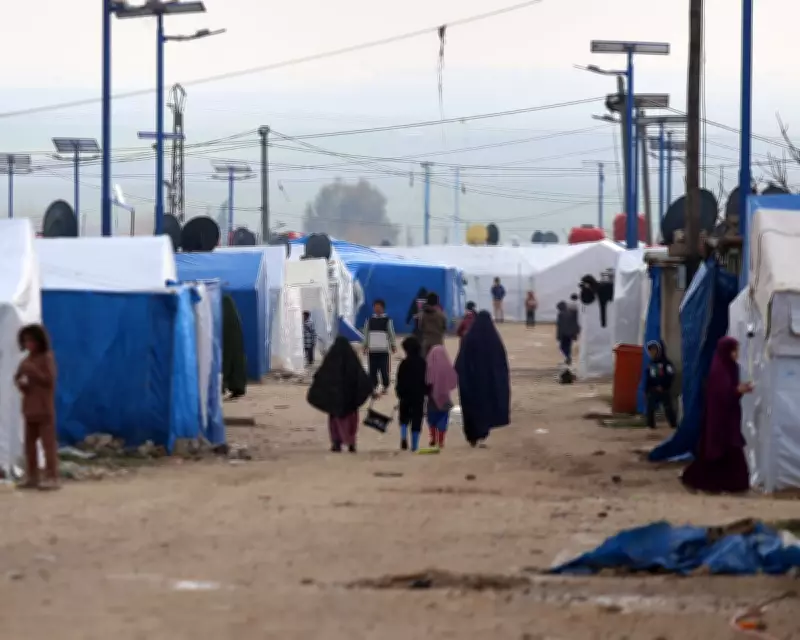
In the desolate landscape of Syria's al-Roj camp, where 34 Australian nationals remain detained under dire conditions, a fundamental question about human rights principles has emerged in Australian political discourse. The camp, administered by Kurdish-led authorities in north-east Syria, houses eleven women and twenty-three children who are seeking repatriation to Australia, yet their fate has become entangled in heated political rhetoric that challenges core human rights doctrines.
The Reality of Detention in al-Roj Camp
Since the defeat of Islamic State in 2019, these Australian citizens have been held in what human rights organizations describe as arbitrary detention. They have not been formally charged with any crimes nor brought before judicial authorities to determine the legality of their confinement. Recent accounts documented by Human Rights Watch reveal increasingly dangerous conditions as Syrian government forces take control of the region, with reports of near-nightly raids involving beatings, verbal harassment, threats, theft, and extortion.
The Australian government demonstrated its capability for safe repatriation in 2022 when it successfully brought home four women and thirteen children from similar circumstances. Australian authorities have consistently maintained that returning adults would be subject to investigation and potential prosecution under existing counter-terrorism laws if evidence warranted such action.
Political Rhetoric Versus Human Rights Principles
Despite this precedent, political discourse surrounding the remaining detainees has hardened significantly. Prime Minister Anthony Albanese has publicly stated regarding the women: "you make your bed, you lie in it" and expressed having "nothing but contempt" for them. Meanwhile, the opposition has proposed legislation that would impose up to ten years imprisonment for anyone attempting to assist their return to Australia.
This approach fundamentally contradicts established human rights principles, which maintain that rights protections do not depend on whether individuals are perceived as "good" or "deserving." As articulated in Article 1 of the Universal Declaration of Human Rights: "All human beings are born free and equal in dignity and rights." This principle applies regardless of allegations against individuals or their perceived associations.
The Specific Circumstances of the Detainees
Many of the women were reportedly taken to Syria through complex and coercive circumstances, while most of the children were either brought there from Australia at young ages or born in the camps themselves. These children, human rights advocates argue, are far too young to have played any active role in Islamic State activities and should not be held responsible for their parents' decisions.
The situation extends beyond the women and children to include Australian men detained in north-east Syria who are suspected of Islamic State affiliation. Like the women, most have not been formally charged or brought before courts to determine the legality of their detention, despite allegations of serious crimes.
International Legal Obligations and Practical Considerations
International law binding on Australia establishes clear protections that apply to all individuals, including rights to life, freedom from arbitrary arrest and detention, protection from torture and ill treatment, fair trial procedures, the right to enter one's country, and the right to nationality. United Nations human rights experts have emphasized that governments bear primary responsibility for taking reasonable measures to protect their nationals abroad when they face life-threatening risks or torture.
Regarding children specifically, international law mandates that their best interests must be a primary consideration in all actions concerning them, irrespective of their parents' conduct. Australia possesses sophisticated support services for individuals who have experienced displacement, conflict-related violence, family separation, loss, and interrupted schooling, suggesting the country is well-equipped to handle reintegration.
Human Rights Watch research from 2022 found that many children detained in Syrian camps who were subsequently returned to their countries of origin were successfully reintegrated, demonstrating that repatriation can be managed effectively with appropriate support systems in place.
The Path Forward for Australian Policy
The fundamental challenge facing Australian policymakers is whether the country will uphold human rights principles universally or selectively. As Australia's director at Human Rights Watch has emphasized, fostering a rights-respecting nation requires ensuring that protections apply to everyone, not just those deemed worthy by political leaders or public opinion.
Australia's existing counter-terrorism framework and law enforcement capabilities provide mechanisms for investigating and prosecuting returning adults if evidence warrants such action, as authorities have previously acknowledged. This suggests that security concerns and human rights protections need not be mutually exclusive objectives in addressing this complex humanitarian situation.




