
Former Prime Minister Gordon Brown Calls for International Court for Crimes Against Children
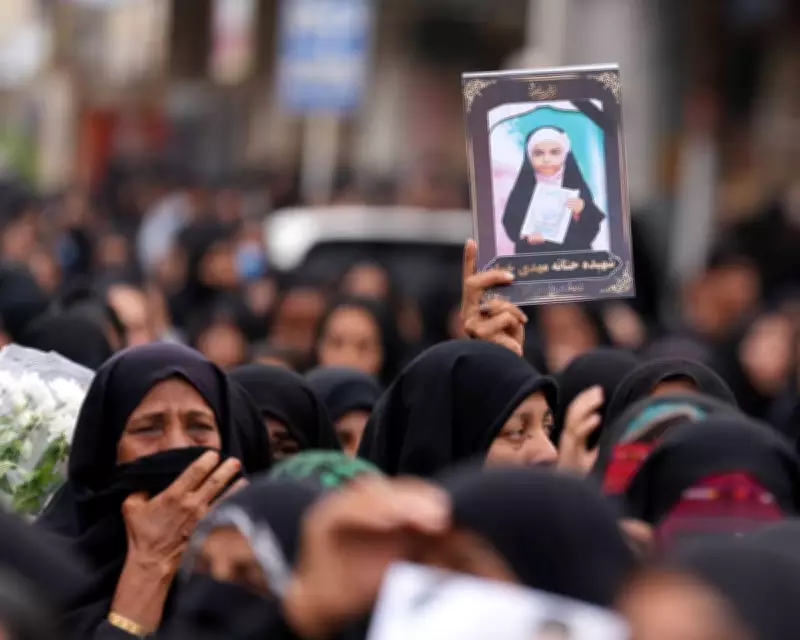
Gordon Brown, the former British Prime Minister and current UN Special Envoy for Global Education, has issued a powerful demand for the establishment of a dedicated international criminal court specifically for crimes against children. This urgent call comes in response to the devastating tomahawk missile strike on the Shajareh Tayyebeh school in Minab, southern Iran, which resulted in the tragic deaths of 168 schoolgirls at the outset of the Iran conflict.
Schools Deserve Same Protection as Hospitals
In a compelling article written for the Guardian, Brown argues passionately that "schools deserve the same moral status as hospitals" and should receive identical protection under international law as protected places. He emphasizes that educational institutions, which should serve as safe havens for learning and development, are increasingly becoming targets in modern warfare, with vulnerable pupils and teachers who cannot defend themselves.
"Children killed, a school turned into a graveyard: even in wartime, we can't accept this," Brown states unequivocally, adding that "no child should ever become collateral damage in a conflict."
The Legal Loopholes Exploited by Perpetrators
Brown highlights how international law, including the founding statute of the existing International Criminal Court, has long prohibited assaults on children or educational facilities during wartime. However, he points out that perpetrators of such attacks typically employ two primary excuses:
- Claiming the attacks were unintentional
- Asserting that the targeted schools were being used as military bases
These justifications have allowed attackers to "claim a defence that is still recognised in international law," creating dangerous loopholes that fail to protect innocent children.
A New Court with Specific Jurisdiction
The former Prime Minister proposes creating a specialized international criminal court with a narrower, more focused jurisdiction than the current ICC. This new judicial body would specifically address:
- The bombing and destruction of schools
- The abduction of pupils
- The enslavement of children by militias and armed groups
This would be accompanied by special protocols designed specifically for prosecuting attacks on educational facilities worldwide.
Accountability for Leaders Who Permit Attacks
Brown emphasizes that "on any plausible interpretation of humanitarian law, those who attack a school are manifestly failing to act on their legal responsibility to avoid all known risks to children." He demands that United Nations member countries fully implement the organization's monitoring and reporting mechanism for children involved in armed conflicts.
"Arrest and prosecution should face leaders who order, authorise, or knowingly permit such attacks," Brown writes, insisting that these leaders should face the same level of judicial accountability as other war criminals.
The Minab School Bombing Controversy
While former US President Donald Trump has denied culpability for the Minab school bombing and instead blamed Iran, Brown notes that analysis has indicated this claim is not accurate. Regardless of where the ultimate responsibility lies, Brown stresses that "the school massacre is no isolated event" but rather part of a disturbing pattern in modern warfare where civilian areas, including educational institutions, have become battlegrounds.
Brown concludes with a powerful warning: "There will be no hiding place for those leaders who permit attacks on children." His proposal represents a significant step toward strengthening international legal protections for the world's most vulnerable populations during times of conflict.




