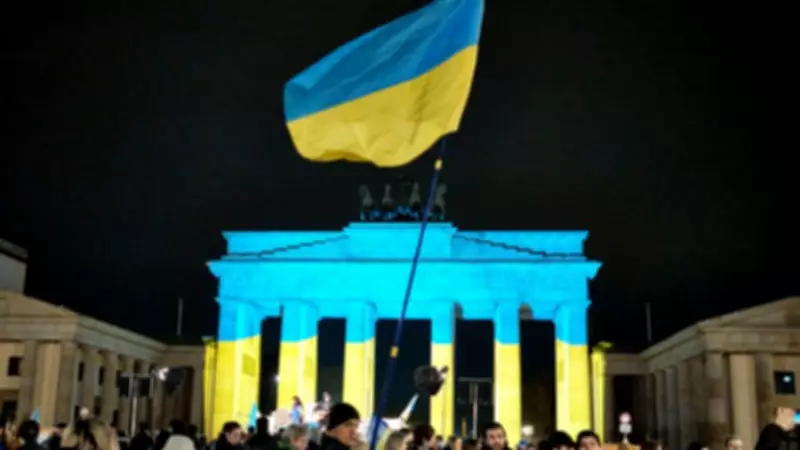
Germany's Historic Military Transformation Amid Ukraine Conflict
Germany has undergone a remarkable transformation in its defense policy, evolving from offering symbolic helmet donations to becoming Ukraine's primary military supporter. This radical shift represents a fundamental departure from decades of cautious foreign policy and pacifist tendencies deeply rooted in the nation's history.
From Symbolic Gestures to Substantial Support
In the weeks preceding Russia's full-scale invasion of Ukraine in February 2022, Germany's announcement that it would supply just 5,000 helmets to Kyiv was met with widespread international criticism and mockery. This cautious approach stood in stark contrast to other allies who were already providing anti-tank weapons and ammunition. The offer, made by then-Defense Minister Christine Lambrecht, reflected Germany's long-standing policy of avoiding weapons shipments to active conflict zones.
Fast forward to the present, and Germany has emerged as Ukraine's largest military backer, providing comprehensive support that includes air defense systems, combat vehicles, advanced weaponry, and extensive training programs. According to official figures, Berlin has delivered 55 billion euros in military assistance alongside 39 billion euros in civilian aid since the conflict began.
The Weight of History and Changing Public Sentiment
This dramatic policy reversal did not occur in a vacuum. Germany's complex history—marked by the horrors of World War II, Nazi atrocities, Cold War division, and subsequent reunification—has created a society deeply skeptical of military engagement. Many Germans, particularly those in former East German regions with historical ties to Russia, initially opposed weapons shipments, fearing escalation and potential involvement in a broader conflict.
Public opinion has shifted significantly as the war has progressed. Recent polling by INSA for Bild media reveals that 52% of Germans now support increasing aid to Ukraine. This change reflects growing recognition that, as Chancellor Friedrich Merz declared on the war's fourth anniversary, "The fate of Ukraine is our fate."
The "Historic Turning Point" in German Defense Policy
Shortly after the initial helmet controversy, then-Chancellor Olaf Scholz announced what he termed a "historic turning point" in German security policy. This included establishing a 100-billion-euro special fund to dramatically increase military spending and reverse decades of defense underinvestment. The German military, previously described as "ageing and shrinking," began receiving substantial resources for modernization and expansion.
Current Chancellor Friedrich Merz has continued this trajectory, pledging to create "the strongest conventional army in Europe" while criticizing both Moscow's aggression and excessive reliance on American security guarantees. The government has updated contingency plans for national defense, conducted comprehensive war games, and implemented measures to strengthen civilian and military preparedness.
Societal Challenges and Continuing Evolution
Despite these policy changes, Germany's transformation faces significant societal challenges. While a Leipzig University survey in January found majority support for increased defense spending, personal commitment remains limited. A Forza Institute poll from last summer revealed that only 16% of Germans would "definitely" take up arms to defend their country, with 59% indicating they would "probably not" or "definitely not" fight.
The reintroduction of voluntary military service has sparked protests among Generation Z, with demonstrators expressing concerns about being asked to sacrifice for a nation they feel doesn't adequately support them. These tensions highlight the complex relationship between policy changes and public acceptance in a country still grappling with its military identity.
Looking Forward: Germany's Continued Commitment
As the conflict enters its fifth year, Germany shows no signs of reducing its support for Ukraine. Chancellor Merz has pledged that Germany will remain by Ukraine's side until Russian President Vladimir Putin recognizes he cannot achieve victory through military means. This sustained commitment reflects not only strategic calculations but also a fundamental reevaluation of Germany's role in European security.
The war in Ukraine has forced Germany to confront historical ghosts while charting a new course in international relations. From initial hesitation to becoming Ukraine's primary military supporter, Germany's journey represents one of the most significant foreign policy transformations in contemporary European history—a shift that continues to reshape both the nation's identity and the broader security landscape of the continent.