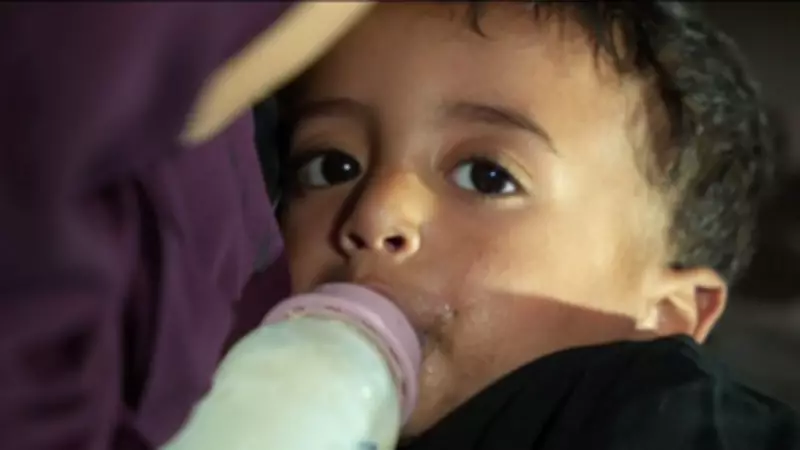
Gaza Toddler Released from Israeli Custody with Suspected Torture Wounds
In a deeply troubling incident reported on Friday, March 27, 2026, a toddler from Gaza was released from Israeli custody with suspected torture wounds, sparking international concern and condemnation. The young child, identified as Jawad Abu Nassar, was returned to his mother with severe burns on each leg, which a medical professional described as marks consistent with torture, likely inflicted by deliberate cigarette burns.
Details of the Detention and Release
Jawad Abu Nassar was detained alongside his father in central Gaza approximately one week prior to his release. According to reports, he was held by Israeli forces for about 10 hours before being returned to his family alone, without his father, who remains missing. The circumstances of his detention have raised serious questions about the treatment of minors in conflict zones and the adherence to international human rights standards.
The Israeli military has responded to the allegations, stating that the claims are "completely unfounded." In their defense, they asserted that Jawad's father, who is still unaccounted for, was a member of Hamas and had used his son as a human shield during the incident. This explanation, however, has been met with skepticism by human rights organizations and medical experts who have examined the child's injuries.
Medical Assessment and Allegations of Torture
A doctor who treated Jawad described the burns on his legs as clear indicators of torture, suggesting they were intentionally caused, possibly by cigarettes. This assessment has fueled accusations of abuse and violations of the Geneva Conventions, which protect civilians, including children, in times of armed conflict. The case has drawn attention to the broader issue of child welfare in the Gaza Strip, where ongoing tensions have led to numerous humanitarian crises.
Human rights advocates are calling for an independent investigation into the matter, emphasizing the need for accountability and transparency. They argue that such incidents, if proven true, could constitute war crimes and demand immediate action from international bodies like the United Nations.
Broader Implications and Reactions
The release of Jawad Abu Nassar has reignited debates over the conduct of military operations in Gaza and the protection of vulnerable populations. It highlights the precarious situation faced by families in the region, where children are often caught in the crossfire of political and military conflicts. Reports from journalists, including John Sparks, have shed light on the personal toll of these events, underscoring the urgent need for diplomatic efforts to address the root causes of violence.
As the story develops, it serves as a stark reminder of the human cost of conflict and the importance of upholding ethical standards in warfare. The international community continues to monitor the situation closely, with calls for justice and improved safeguards for children in conflict zones growing louder.