
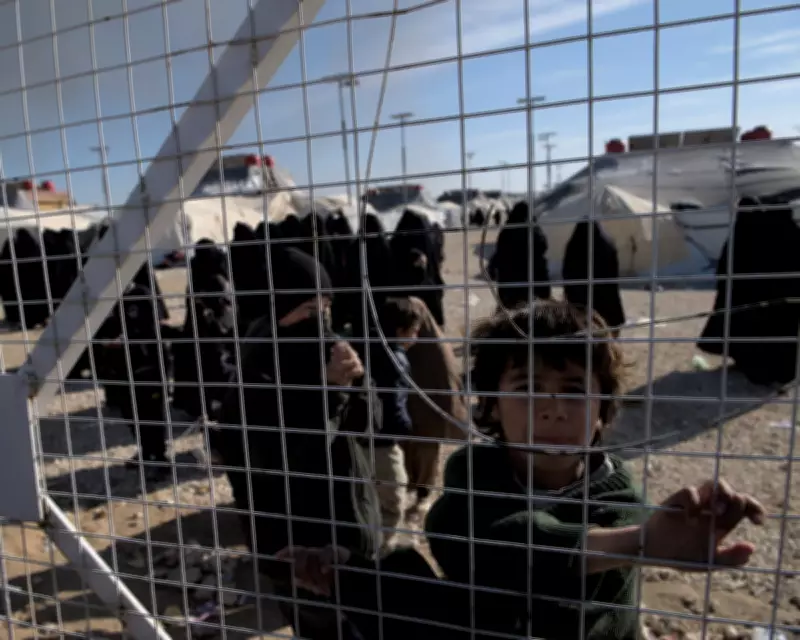
The Uncertain Fate of Syria's Former IS Camps and Their Residents
In the aftermath of the Islamic State's territorial collapse, the fate of its former camps and the thousands of people who once resided in them remains a pressing and unresolved issue in Syria. These camps, which were once hubs of IS activity, now present complex challenges for local authorities, international organizations, and the global community.
Security and Humanitarian Concerns
The camps, scattered across various regions of Syria, house a diverse population including former fighters, their families, and civilians who lived under IS rule. Security remains a paramount concern, as there are fears of potential radicalization or resurgence of militant activities within these areas. Additionally, the humanitarian situation is dire, with many residents facing shortages of food, water, medical care, and adequate shelter.
International aid groups have struggled to provide consistent support due to ongoing conflicts, bureaucratic hurdles, and funding limitations. This has left many former camp residents in a state of limbo, unable to return to their homes or rebuild their lives.
Legal and Political Complexities
The legal status of former IS camp residents is another layer of complexity. Many face accusations of involvement with the terrorist organization, leading to detention or trials in makeshift courts. However, distinguishing between willing participants and those coerced or trapped by circumstances has proven difficult, raising human rights concerns.
Politically, the Syrian government, along with various local and international stakeholders, has been slow to develop a cohesive strategy for reintegrating or relocating these individuals. This lack of clear policy has contributed to the prolonged instability in the region.
Future Prospects and International Response
Looking ahead, the future of Syria's former IS camps and their residents hinges on several factors. Increased international cooperation and funding are crucial to address both security and humanitarian needs. Efforts to establish transparent legal processes and support rehabilitation programs could help mitigate risks and promote stability.
Ultimately, resolving this issue requires a balanced approach that prioritizes security while upholding human rights and providing pathways for former residents to reintegrate into society. As Syria continues to grapple with the legacy of the Islamic State, the fate of these camps remains a critical test for post-conflict recovery and peacebuilding efforts.




