Families bereaved by the Manchester Arena bombing have accused MI5 of failing them and are demanding the security service be made fully accountable under a proposed new law designed to prevent official cover-ups.
A 'significant missed opportunity' to prevent atrocity
In a letter sent to Prime Minister Keir Starmer and seen by the BBC, the families state that the Security Service must be included in the forthcoming Public Office (Accountability) Bill, often referred to as the Hillsborough law. This comes after the official inquiry into the May 2017 atrocity concluded it could have been stopped if MI5 had acted on crucial intelligence.
Sir John Saunders, the inquiry chair, stated in March 2023 that MI5's failure to act swiftly on key information was a "significant missed opportunity". He found there was a "realistic possibility" that investigators could have thwarted the plot had they acted more decisively on two pieces of intelligence received in the months before the attack.
The report highlighted that had MI5 taken firmer action, they would have treated Salman Abedi's return from Libya, where he had been fighting alongside Islamists, with extreme seriousness. Abedi returned to the UK just four days before the attack, using that time to construct a homemade bomb in a rented flat while evading surveillance.
Families' plea for transparency and accountability
The families' direct letter to the Prime Minister poses a stark question: "How many times must MI5 show that it cannot be trusted before something is done?" They argue that the security service, which holds significant power, must be open to proper scrutiny to ensure such a tragedy never happens again.
The proposed Hillsborough law, now before parliament, would place a legal duty of candour on public officials and organisations, compelling them to tell the truth and cooperate fully with investigations after major disasters.
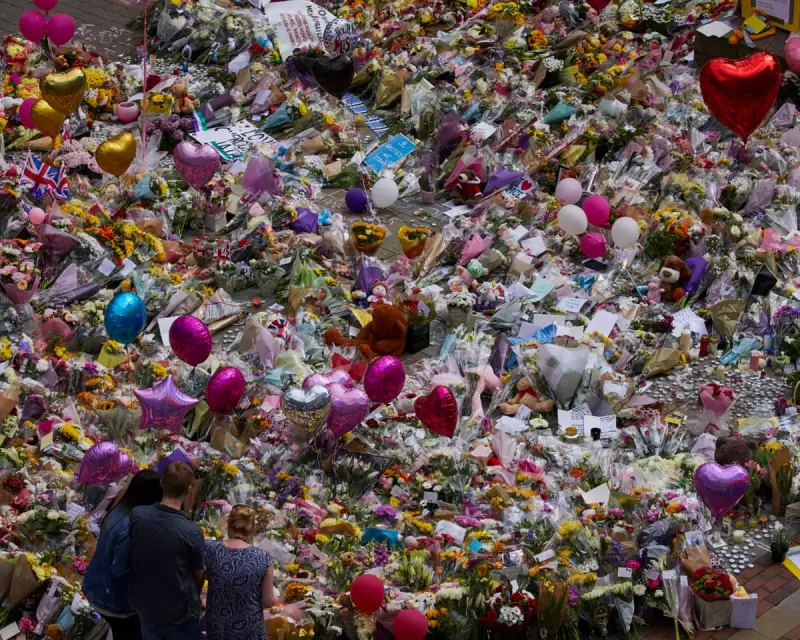
Salman Abedi killed 22 people and injured hundreds more when he detonated a rucksack bomb in the foyer of the Manchester Arena at the end of an Ariana Grande concert. His brother, Hashem Abedi, was convicted of murder and jailed for life with a minimum term of 55 years in August 2020 for his role in assisting the plot.
Ongoing impact and compensation
The devastating consequences of the attack continue to unfold. In December, a judge ruled that almost £20 million is to be paid in compensation to children injured in the bombing. Settlements for 16 victims, all under 16 at the time, ranged from £2,770 to £11.4 million, reflecting the severity of their physical and psychological injuries.
Sir John Saunders' report detailed that tougher action by MI5 could potentially have led to Abedi being followed to the Nissan Micra where he stored his explosives, which he visited just over an hour after arriving back in the UK. This, the inquiry suggested, might have disrupted the final preparations for the attack.
The families' campaign underscores a determined push for systemic change, ensuring that no state body is beyond the reach of accountability when failures cost lives.