EU Nations Sound Alarm Over Drifting Russian Gas Tanker in Mediterranean
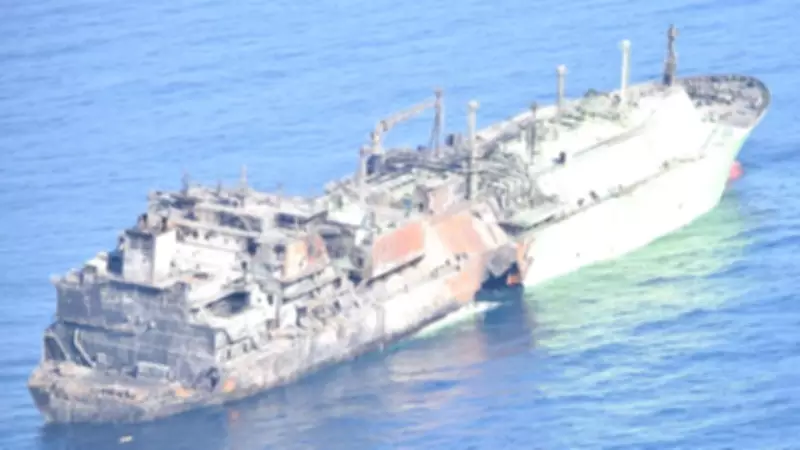
Several European Union member states have issued a stark warning about an "imminent and serious" ecological threat posed by a Russian natural gas tanker currently adrift in the Mediterranean Sea. The vessel, identified as the Arctic Metagaz, has been floating uncontrolled in waters situated between Malta and Italy, raising significant environmental and safety concerns.
Details of the Incident and Conflicting Accounts
The Arctic Metagaz, which caught fire earlier this month, is reportedly carrying liquefied natural gas (LNG) from the Arctic port of Murmansk. Russia's Transport Ministry has asserted that the tanker was attacked by Ukrainian naval drones, allegedly launched from the Libyan coast. However, Ukraine has not claimed responsibility for any such attack.
Libya's maritime agency reported on March 4th that the vessel had sunk in waters between Libya and Malta after catching fire the previous day. Despite this report, the ship remains adrift, presenting a complex and hazardous situation.
European Union's Grave Concerns and Sanctions Dilemma
In a formal letter addressed to the European Commission, EU states including France and Italy expressed profound alarm. The communication emphasized that the precarious condition of the Arctic Metagaz, combined with its specialized cargo, creates an "imminent and serious risk of a major ecological disaster in the heart of the Union's maritime space."
The EU has identified the vessel as part of Russia's so-called "shadow fleet," a collection of ships intended to circumvent sanctions imposed following Russia's invasion of Ukraine in 2022. This classification adds a layer of geopolitical complexity to the crisis.
The letter further highlighted the "dual challenge" of upholding maritime safety and preventing an environmental catastrophe while simultaneously maintaining the integrity of EU sanctions against Russia. It noted that any action taken to resolve the situation—such as surveillance, monitoring, or technical support—risks "undermining the integrity, effectiveness, and the deterrent value of the EU sanctions regime."
Russian Response and International Legal Questions
Russia's foreign ministry has acknowledged that the vessel is adrift in the Mediterranean. Spokesperson Maria Zakharova stated that Moscow is in communication with the ship's owner and relevant foreign "competent bodies."
In a statement published on the ministry's website, Zakharova invoked international legal norms, asserting that "the responsibility of coastal countries" is implied "for resolving the situation with the drifting vessel and preventing an environmental disaster." She added that further involvement by the shipowner and Russia, as the flag state, would depend on "specific circumstances."
The uncrewed ship is reported to be carrying 700 metric tons of various types of fuel in addition to "a substantial amount of natural gas," significantly amplifying the potential scale of any environmental release.
Broader Implications and Ongoing Monitoring
This incident underscores the ongoing tensions and unintended consequences stemming from the conflict in Ukraine and the subsequent international sanctions. The drifting tanker represents not only an immediate environmental hazard but also a test of international maritime law and the resilience of sanction regimes.
European authorities continue to monitor the situation closely, balancing the urgent need to avert an ecological disaster with the strategic imperative to uphold sanctions designed to pressure the Russian government. The outcome of this standoff will likely have implications for future maritime security and environmental protection protocols in contested international waters.