Advanced DNA Technology Leads to Breakthrough in Historic Sexual Assault Cases
New South Wales police have achieved a significant breakthrough in solving historic sexual assault cases through the application of advanced DNA technology. This marks the first instance in NSW where forensic investigative genetic genealogy has been utilized to secure an arrest for crimes committed decades ago.
Arrest and Charges in Long-Unsolved Cases
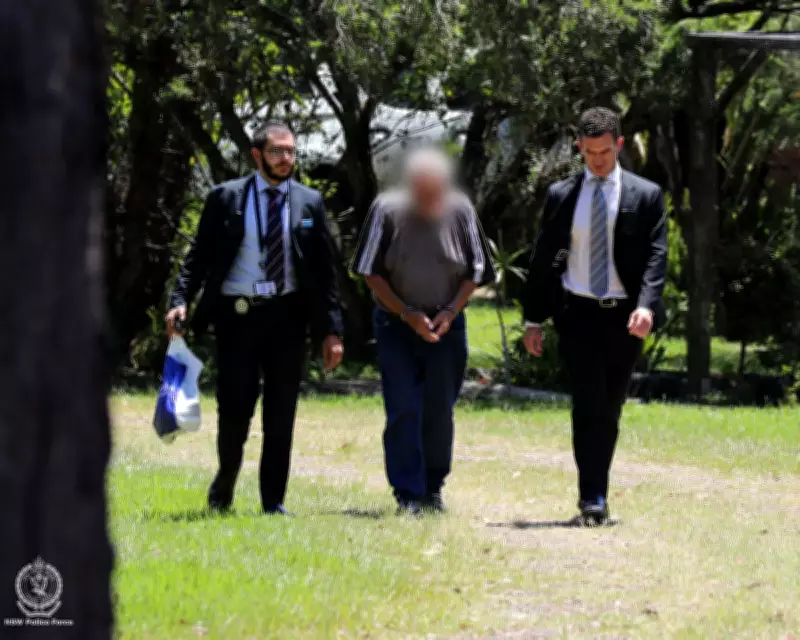
Robert Wayne Kwan, a 77-year-old man from Kempsey, has been arrested and charged in connection with three separate alleged sexual assaults spanning an eleven-year period. The arrest followed the execution of a search warrant in South Kempsey on the NSW north coast. Kwan appeared in court facing nine counts of sexual assault along with several kidnapping charges.
Police allege that Kwan was responsible for attacks on an 11-year-old girl in Sydney's west in 1991, a 16-year-old girl in the Illawarra region in 1996, and a 26-year-old woman in Dubbo in 2002. Each of these incidents was reported at the time, and DNA evidence was collected, but until now, the cases remained unsolved.
Revolutionary Forensic Technique Applied
The key to solving these cold cases was the use of forensic investigative genetic genealogy, a technique that gained prominence in 2018 when it was used to identify the Golden State Killer in the United States. Unlike traditional forensic methods that examine only 21 genetic markers, this advanced process analyzes hundreds of thousands of genetic markers to identify familial connections as distant as fourth cousins.
NSW detectives began employing this technology in 2022 to review unsolved sex crimes. By comparing DNA profiles from multiple crime scenes, they were allegedly able to link all three cases to a single male DNA profile. This profile was then uploaded to publicly available genealogy databases, GEDmatch PRO and FamilyTreeDNA, which allow law enforcement access to consenting profiles for solving serious crimes.
From Database Match to Arrest
The genetic analysis led investigators to identify a close relative of the alleged perpetrator, eventually narrowing their search to Robert Wayne Kwan. This represents the first arrest in New South Wales triggered by this specific DNA technology, though other Australian states have also begun implementing similar methods, with Western Australia having previously made an arrest using the technique.
Sex Crimes Squad Commander Detective Superintendent Jayne Doherty emphasized the importance of public participation in genealogy databases, urging people to consider "opting in" to allow law enforcement to compare profiles. She clarified that such access is strictly reserved for the most serious victim-based offences, including homicides, sexual assaults, and the identification of human remains.
"No matter how much time has passed, our detectives continue to pursue every available avenue to identify those responsible for sexual assaults like this," Doherty stated, highlighting the police commitment to solving historic crimes.
Legal Proceedings Underway
Robert Wayne Kwan did not apply for bail during his court appearance and is scheduled to return to Kempsey Local Court on April 22. The case demonstrates how evolving forensic technologies are providing new tools for law enforcement to address crimes that have remained unsolved for decades, offering hope for justice to victims and their families long after the incidents occurred.