
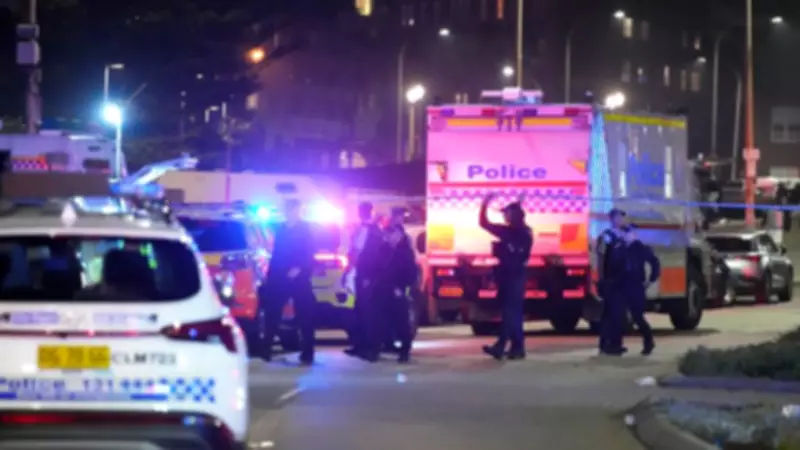
The suspect in the deadly Bondi Beach terror attack, Naveed Akram, has made his first court appearance via video link from a high-security prison, marking a significant step in the legal proceedings following one of Australia's worst mass shootings.
Court Appearance and Charges
During the hearing at a Sydney court on Monday, Akram, aged 24, wore a green prison-issued jumper and sat mostly in silence, speaking only briefly to acknowledge discussions about extending non-publication orders that suppress details of the victims. He joined the proceedings remotely from Goulburn Correctional Centre, a high-security facility.
Akram faces a total of 59 charges related to the shooting on December 14, which include 15 counts of murder, 40 counts of wounding with intent to murder, and a terror offence. Police allege that he carried out the mass shooting with his father, Sajid, aged 50, who was shot dead during the attack.
Legal Representation and Conditions
Outside the Downing Centre Local and District Court, Akram's lawyer, Ben Archbold, spoke to reporters, stating that his client is doing "as well as he can be" given the "very onerous conditions" in prison. Archbold emphasized that it is too early to indicate how Akram will plead to the charges and that he has not discussed the details of the alleged attack with him.
"I haven't spoken to him about the attack in that regard," Archbold said. "All that we're doing at the moment is starting the process… we're waiting for the brief to be served. There's nothing more I can say." He added that he has visited Akram in prison, treating him as a client who needs representation without letting personal views interfere with professional obligations.
Background of the Attack
The Bondi Beach attack, which targeted a Hanukkah celebration, resulted in the deaths of 15 people and is regarded as Australia's worst terror incident and biggest mass shooting since 1996. The tragedy prompted the Australian parliament to strengthen gun control and hate speech laws in response to the violence.
Akram previously attended his first court hearing remotely from his hospital bed in December, shortly after the incident. The case has been adjourned and is expected to return to court in April for further proceedings.
This court appearance underscores the ongoing legal process as authorities seek justice for the victims and their families, while highlighting the broader implications for national security and legislative changes in Australia.




