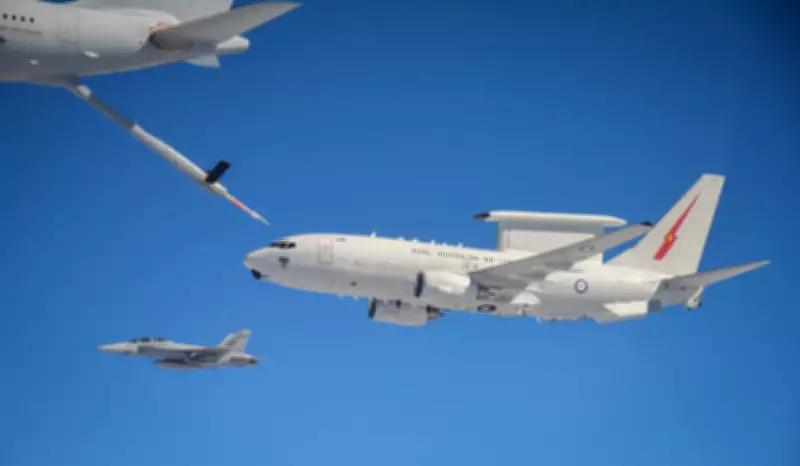
Australian Spy Plane Operators Withhold Intelligence from US for Offensive Missions
In a significant revelation, Australia's defence chief has confirmed that operators of Australian spy planes in the Middle East are not sharing intelligence with the United States for offensive military operations. This disclosure highlights a strict adherence to national protocols that govern intelligence dissemination, potentially impacting allied coordination in volatile regions.
Defence Chief's Statement on Intelligence Protocols
The defence boss emphasised that while Australia maintains close ties with the US, the sharing of intelligence gathered by its spy planes is subject to rigorous national guidelines. These protocols are designed to ensure that Australian intelligence is used in alignment with its defence policies and strategic interests, particularly in sensitive areas like the Middle East.
This stance underscores Australia's commitment to sovereign decision-making in military matters, even as it collaborates with key allies. The defence chief noted that intelligence sharing is permitted for defensive and reconnaissance purposes, but offensive operations require separate approvals and considerations.
Implications for US-Australia Military Cooperation
The withholding of intelligence for offensive missions could have notable implications for US-Australia military cooperation in the Middle East. It may affect the planning and execution of joint operations, as the US often relies on allied intelligence for comprehensive situational awareness.
However, the defence chief assured that this does not signify a rift in the alliance. Instead, it reflects a mature partnership where both nations respect each other's operational boundaries and legal frameworks. Australia continues to participate in other forms of military collaboration, such as training exercises and defensive intelligence exchanges.
Background on Australian Spy Plane Operations
Australian spy planes, including advanced surveillance aircraft, have been deployed in the Middle East for years, contributing to regional security efforts. These operations are part of Australia's broader defence strategy to combat threats like terrorism and maintain stability in alliance with international partners.
The decision to limit intelligence sharing for offensive purposes is rooted in Australia's national security policies, which prioritise transparency and accountability in military engagements. This approach aims to balance alliance commitments with domestic legal and ethical standards.
As global security dynamics evolve, such protocols may become increasingly relevant, shaping how nations navigate intelligence sharing in complex geopolitical environments. The defence chief's comments serve as a reminder of the nuanced nature of international military partnerships.