
Australia to Deploy Surveillance Aircraft and Air-to-Air Missiles to UAE for Civilian Protection
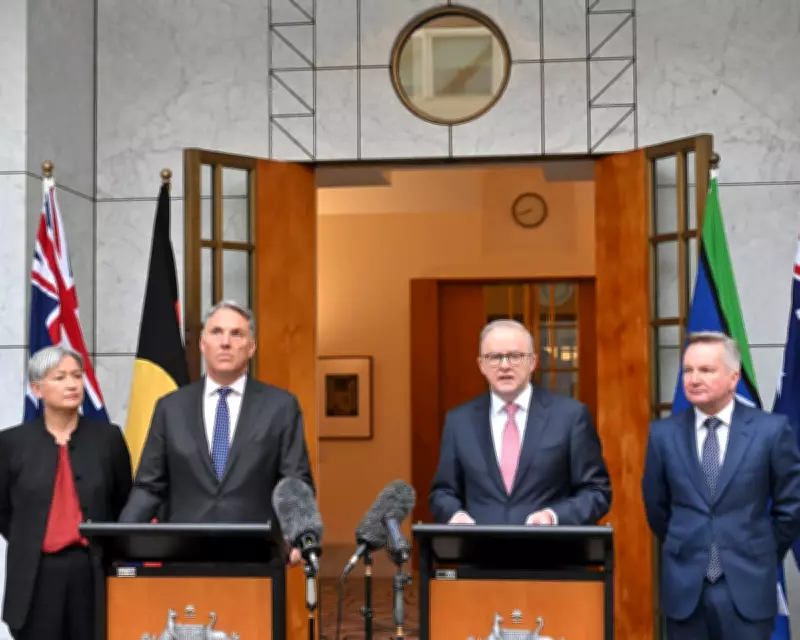
Prime Minister Anthony Albanese has announced that Australia will send a surveillance aircraft, air-to-air missiles, and supporting personnel to the United Arab Emirates (UAE) in response to a request from President Mohamed bin Zayed. This move aims to help protect civilians, including the 24,000 Australians living in the region, following Iranian missile attacks that targeted areas of Dubai.
Defensive Measures Amid Regional Threats
Albanese emphasized that Australia's assistance is strictly defensive, with no offensive action planned against Iran and no deployment of troops on the ground. The deployment includes an E7 Wedgetail aircraft, which will provide long-range reconnaissance capabilities to secure the airspace above the Gulf. Supporting Australian Defence Force personnel will be stationed for an initial period of four weeks to aid in the collective self-defense of Gulf nations.
In addition to the aircraft, the Australian government intends to supply advanced, medium-range air-to-air missiles to the UAE. This decision comes as part of broader efforts to ensure the safety of Australians and assist travelers in leaving the Middle East amid escalating tensions.
Government's Stance on Regional Security
The prime minister clarified that Australia is not participating in any offensive operations led by the United States and Israel against Iran. Instead, the focus remains on contingency planning to safeguard Australian citizens and support regional stability. Albanese stated, "We continue to work on contingencies to keep Australians safe and to help travelers leave the Middle East."
This announcement follows recent Iranian missile attacks that have heightened security concerns in the UAE, prompting international calls for enhanced defensive measures. The Australian deployment underscores the country's commitment to global security partnerships while maintaining a clear distinction between defensive support and offensive military engagement.
Further details on the deployment timeline and logistical arrangements are expected to be released as the situation develops. The move highlights Australia's proactive approach to addressing security challenges in volatile regions, balancing national interests with international cooperation.




