Reeves Targets Reassuring Dullness in Upcoming Spring Forecast
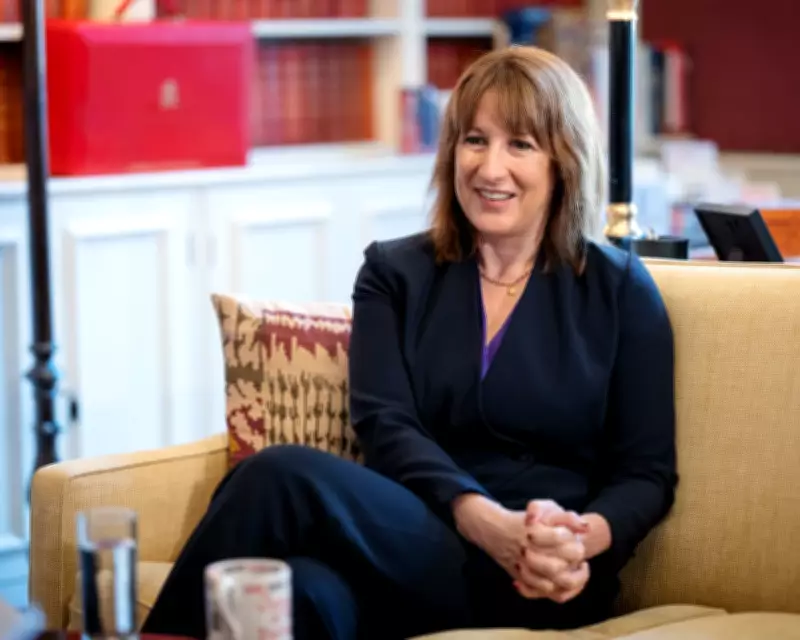
Politicians often dread being labeled boring, but Chancellor Rachel Reeves is poised to embrace that perception with her spring statement next week. After a tumultuous 18 months marked by policy U-turns and political instability, Reeves and her team are deliberately crafting the event to be a non-event, aiming to project an image of calm competence to voters and financial markets alike.
Political Survival at Stake Amid Byelection Fallout
Following Labour's disastrous results in the Gorton and Denton byelections, Reeves finds her political future hanging in the balance, alongside that of the prime minister. Backbench MPs are increasingly anxious about the party's electoral prospects, with analysts like Mujtaba Rahman of Eurasia Group noting that Reeves is "fighting for her political life." This could stem from either the prime minister's potential downfall or a reshuffle that might see her moved from the Treasury.
Against this backdrop, Reeves entered government in July 2024 with a mandate to restore stability after years of Conservative chaos. She hoped that a secure parliamentary majority and pragmatic policies would reassure investors and spark an economic revival. However, her tenure has been anything but smooth, with controversial decisions such as cutting the winter fuel allowance for pensioners, implementing a £25bn national insurance hike, and botched welfare cuts leading to frequent reversals.

No Policy Rabbits: A Deliberate Strategy
In stark contrast to past budgets, next week's spring statement is designed to avoid drama. Treasury sources have emphatically stated that there will be "no policy announcements," and Reeves will resist the temptation to unveil last-minute surprises, declaring that "the era of rabbits is over." She plans to speak at the dispatch box for less than half an hour, focusing on welcoming the latest forecasts from the Office for Budget Responsibility (OBR), highlighting progress on cost-of-living measures like reduced energy bills, and reaffirming Labour's economic plan.
Financial indicators provide some leeway for this approach. Last autumn's budget left Reeves with a comfortable £22bn margin of error, and recent data shows little deviation from those projections. Economic growth was slightly weaker than expected in late 2025, but falling gilt yields have made government debt cheaper to finance. Andrew Wishart of Berenberg notes that "there will be plenty of headroom" to maintain a boring stance, aided by higher-than-expected tax revenues from earlier hikes.
Economic Optimism Amid Fiscal Challenges
Despite global uncertainties, such as the fallout from Donald Trump's tariff rulings, the UK's domestic outlook shows modest signs of improvement. Interest rate cuts by the Bank of England, upbeat business surveys, and declining inflation offer hope for reviving economic "animal spirits." Ben Zaranko of the Institute for Fiscal Studies suggests that these factors could help mitigate the tight spending plans Reeves has set for the end of the parliament.
However, challenges remain. The OBR must account for additional spending on special educational needs and policy reversals on inheritance tax and business rates. Migration forecasts also pose a knotty issue, with net migration likely lower than previously projected, potentially impacting public finances. Ruth Curtice of the Resolution Foundation expects the OBR to defer major adjustments until the autumn.
Future Growth Strategy and Political Uncertainty
Looking ahead, Reeves plans a major growth speech in March to outline Labour's "securonomics" approach, emphasizing public investment, industrial intervention, and workers' rights. She will address youth unemployment, planning reforms, and the potential of AI to boost productivity. Her team argues that abandoning caution could trigger gilt market chaos, but as Labour MPs digest byelection results, it's unclear whether a dull spring statement will secure her position or mark the beginning of the end for her chancellorship.