Chancellor Reeves Prepares for Spring Statement Amid Economic Uncertainty
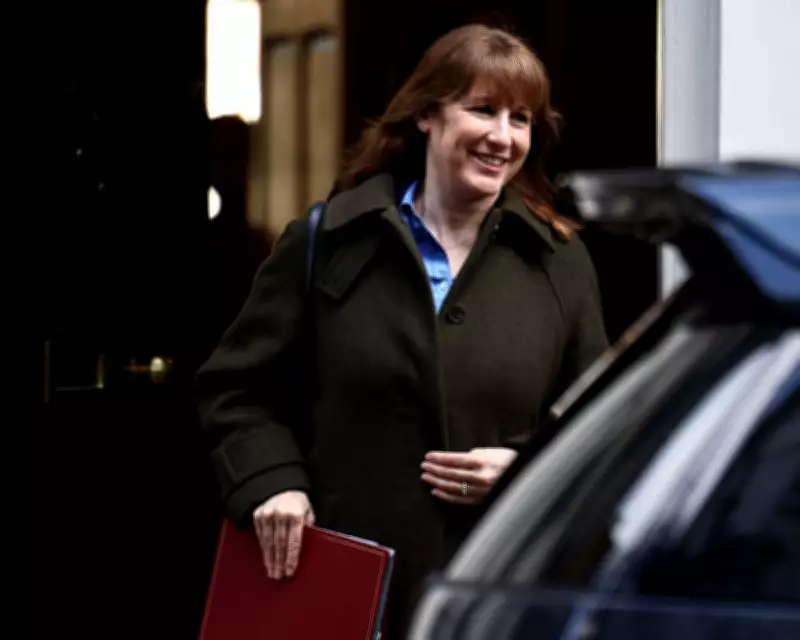
Chancellor Rachel Reeves is set to face a fresh wave of demands for increased government spending when she delivers her spring statement on March 3. Labour MPs, particularly from the left, are expected to push for bold fiscal measures to address the perceived wrongs of the past 15 years, despite warnings about the strained state of the UK's public finances.
Economic Optimism Meets Fiscal Caution
Reeves is likely to strike a delicate balance in her address, combining cautious messaging about the public finances aimed at backbench MPs with an optimistic outlook on economic recovery to boost public morale. However, many within her own party are advocating for a departure from economic orthodoxy, favoring a more aggressive approach reminiscent of Liz Truss's tenure, but with a focus on public spending rather than tax cuts as the primary driver of growth.
Recent economic data has fueled these demands. January saw record tax receipts, largely driven by capital gains tax payments from individuals selling assets to avoid future tax hikes. Additionally, inflation dropped from 3.4% in December to 3% in January, and there is increased speculation about potential interest rate cuts by the Bank of England, which could ease the cost of living crisis and reduce government borrowing costs.

Underlying Weaknesses in the Economy
Despite these positive indicators, significant vulnerabilities persist in the UK economy. The surge in tax revenue is largely attributed to one-off asset sales, offering little insight into long-term fiscal health. UK borrowing is projected to reach approximately £130 billion this financial year, equating to nearly 4.5% of national income—a level that financial markets view as indicative of fiscal imprudence.
The Office for Budget Responsibility forecasts deep budget cuts for most government departments to prioritize funding for the NHS, schools, and defense. Maintaining these stringent spending limits is crucial for reducing the annual deficit, yet pressure points remain, such as an estimated £6 billion shortfall in funding for children with special educational needs by 2029.
Political and Fiscal Pressures Mount
Prime Minister Keir Starmer's commitment to increasing defense spending to 3% of national income by the end of the parliament could require an additional £10 billion, with further demands potentially rising to 5% by 2034. These projections highlight the illusory nature of spare funds in the current fiscal landscape.
Labour's leftist MPs, along with figures like Green party leader Zack Polanski and members of the Tory and Reform UK parties, continue to advocate for unaffordable spending measures. The public finances remain precarious, susceptible to disruptions from rising borrowing costs or youth unemployment, underscoring the need for strategic investment to foster sustainable growth.
In summary, while recent economic news offers some encouragement, the UK economy's fragility and the substantial demands on public finances present a formidable challenge for Chancellor Reeves as she navigates the competing pressures of her spring statement.