Starting July 1, the Centers for Medicare & Medicaid Services (CMS) will launch a pilot program, Medicare GLP-1 Bridge, allowing some adults aged 65 and older to obtain GLP-1 weight-loss medications for $50 per month. The initiative aims to reduce financial barriers for seniors struggling with obesity, but doctors and advocates raise concerns about implementation challenges and the program's temporary nature.
Program details and eligibility
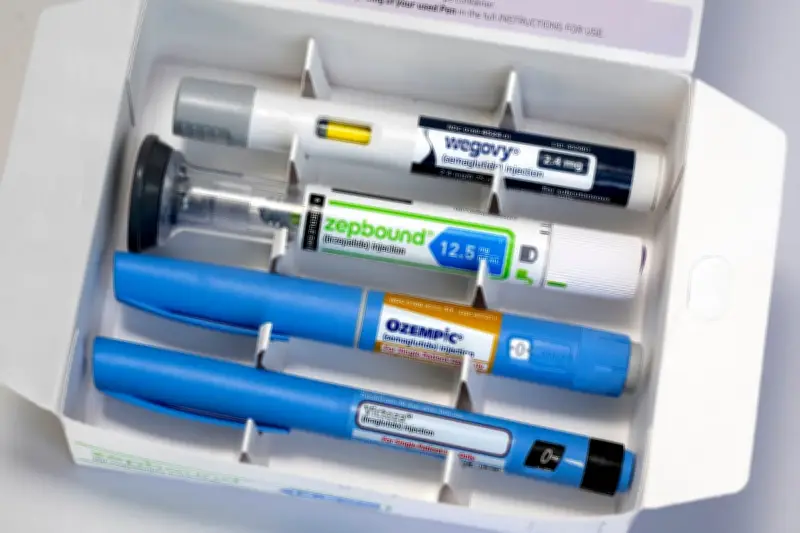
The pilot covers three drugs: Foundayo, Wegovy, and Zepbound. Eligibility requires Medicare Part D coverage and absence of type 2 diabetes, moderate-to-severe sleep apnea, or fatty liver disease, as those conditions may already be covered. Applicants must have a body mass index of 35 or higher or meet other specified criteria. The program runs through the end of 2027.
Kathryn, a 66-year-old retiree in Denver, Colorado, currently pays $450 monthly for Zepbound. She has stretched dosages to save money. “My blood pressure is great; my cholesterol is great. I feel really good,” she said, but noted the cost has prevented her from traveling in retirement.

Provider concerns about administration
Dr. Annie Moore, an internist at CU Health in Denver, described the initiative as “a huge social and healthcare experiment.” She expressed uncertainty about the CMS website, pharmacy systems, and health plans processing prior authorizations efficiently. “This has never happened. I just don’t quite know how smooth it’s going to be,” she said.
Dr. Christopher Weber, an internist in Milwaukee, noted that clinics may face increased demand. “If millions more people want to start taking a GLP-1, the clinics are going to be busy,” he said, citing the administrative overhead of prior authorizations.
Cost barriers and temporary nature
According to a KFF Health survey, about 5 million US adults aged 65 and older were taking a GLP-1 drug for weight loss or chronic conditions in fall 2024. Seniors are more likely than younger adults to stop using the drugs due to cost. Moore estimates it could take three to four months before patients actually receive the $50 price. She added that some patients may still find $600 per year too expensive.
Dorothea Vafiadis, senior strategist for healthy aging at the National Council on Aging, highlighted the program's temporary status: “It’s a temporary program; obesity is not a temporary problem.” She noted that people are concerned about what will happen in 2028 if the program ends, as weight regain is common after stopping GLP-1 medications.
Patient hopes and broader impact
Carmin, a Denver healthcare worker, has experienced six 150-pound weight swings and opted against GLP-1s due to retirement savings. She hopes to use the Bridge program. “The dream scenario for me is that by Christmas or next spring, I can get back into clothes I was wearing two years ago,” she said.
Weber reports speaking with at least five patients daily who could benefit from GLP-1s but cannot afford them. The pilot may expand access, but providers urge CMS to address logistical challenges and consider long-term solutions for obesity care.