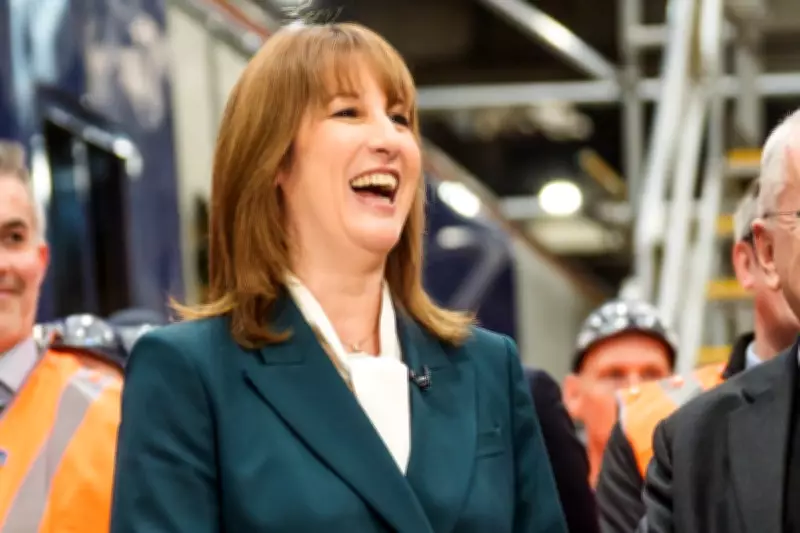
In a stark development, the International Monetary Fund (IMF) has delivered a significant growth downgrade for the United Kingdom, the largest among G7 nations, as Chancellor Rachel Reeves prepares to advocate for her energy crisis plan on the international stage. This move comes amidst escalating concerns over Britain's economic resilience and public dissatisfaction with the government's handling of the ongoing energy turmoil.
Reeves' International Appeal Amid Domestic Struggles
Chancellor Rachel Reeves is scheduled to address the IMF in Washington, where she will urge other countries to adopt her blueprint for managing the energy crisis. However, this international push is met with skepticism at home, where polling data reveals that 52 percent of Britons are dissatisfied with Labour's response to the energy crisis, and two-thirds anticipate a recession this year. The timing is particularly precarious, with the war in Iran exacerbating economic uncertainties and undermining confidence among businesses and households.
Economic Indicators and Policy Criticisms
The IMF's downgrade highlights a projected per capita GDP growth of only 0.3 percent for the UK this year, starkly below the 1.6 percent average for advanced economies. Analysts attribute this underperformance to decisions made by Reeves and her government, which have left the country ill-equipped to navigate the current crisis. Notably, the UK faces the highest industrial energy costs in the developed world, a situation compounded by policies such as the moratorium on new drilling licences in the North Sea, which critics argue jeopardizes energy security.

In her recent Budget speech, Reeves repeatedly emphasized personal accountability with phrases like "these are my choices," yet she finds herself constrained by political and market forces. Gilt yields have surged to their highest levels since the financial crash, limiting borrowing options, while internal party dynamics hinder efforts to curb public spending. This bind raises questions about her ability to deliver promised support to households amidst rising economic pain.
Broader Implications and Expert Warnings
Beyond economic metrics, military advisor Lord Robertson has issued a grave warning, stating that Britain is "underprepared, underinsured, under attack, and not safe." He criticized the expanding welfare budget, which now exceeds income tax revenues, as a diversion from national defense priorities. This sentiment echoes broader critiques of the government's focus on spending over growth, with Cabinet colleagues like Ed Miliband and Angela Rayner influencing policies that some argue harm the housing market and contribute to unemployment.
Despite high-profile speeches and international engagements, Reeves faces a credibility gap at home, where her party's priorities are perceived as misaligned with economic stability. As inflation is expected to return to target by late 2027, driven by suppressed demand from high energy costs and a weak labor market, the Chancellor's gaslighting tactics on the global stage are seen as out of touch with the realities faced by the British public.