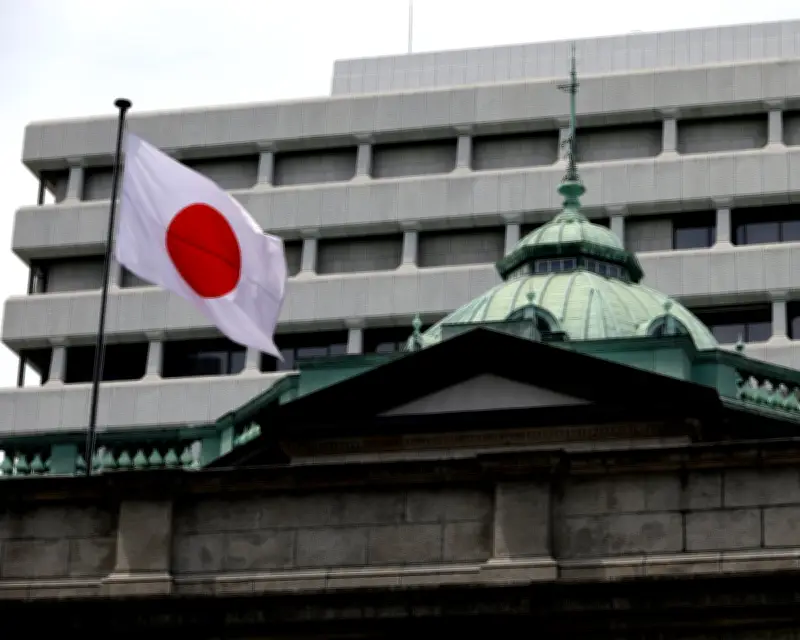
The Bank of Japan (BoJ) has raised interest rates to a 31-year high as it attempts to curb inflationary pressures stemming from the Iran war. Policymakers in Tokyo increased the BoJ's short-term policy rate by a quarter of a percentage point, moving it from 0.75% to 1%, and cautioned that companies are passing on rising oil costs to each other at a relatively fast pace.
BoJ Decision Amid Falling Oil Prices
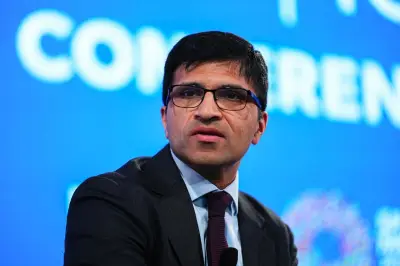
The BoJ opted to tighten monetary policy despite a recent drop in oil prices following an agreement between Washington and Tehran on the basic structure of a peace deal. Additionally, Japan's annual core inflation fell to a four-year low of 1.4% in April. The central bank's governor, Shinichi Uchida, stated during a press conference in Tokyo that the signing of a memorandum by the US and Iran to end the Middle East conflict was a welcome move but noted uncertainty about how quickly oil supplies would increase.
Uchida highlighted that while the risk of a sharp economic deterioration has diminished, price rises are broadening, and there is a risk that underlying inflation may deviate from the BoJ's target. He emphasized the importance of ensuring stable achievement of the 2% inflation target as underlying inflation approaches that level.

Impact on Japan's Economy
The BoJ also noted that the risk of Japan's economy deteriorating sharply due to the Middle East conflict has lessened, citing the government's relief package to assist households facing high fuel costs. Tuesday's rate hike brings Japan's borrowing costs to their highest since 1995, when the BoJ was in the process of lowering rates after the burst of a property and asset price bubble.
Susannah Streeter, chief investment strategist at Wealth Club, commented that the move was widely expected but represents a step-change in monetary policy for Japan, pushing borrowing costs to levels not seen since 1995. She noted relief that the move was not more hawkish, as a 50-basis-point hike had been considered.
Historical Context
In 1973, the BoJ raised rates as high as 9% to combat inflationary pressures from the Opec oil embargo. However, by 2016, the central bank was implementing a negative interest rate policy to drag Japan out of a long deflationary slump following the end of its asset boom in the late 1980s.
Tokyo's stock market closed at a new record high, with the Nikkei share index hitting 70,000 points for the first time during Tuesday's session. The Nikkei has surged by a third so far this year.
Comparison with Other Central Banks
The BoJ is the second G7 central bank to raise borrowing costs since the Iran war began. Last week, the European Central Bank increased its main interest rates. The US Federal Reserve and the Bank of England are expected to keep borrowing costs unchanged at their monetary policy meetings this week.