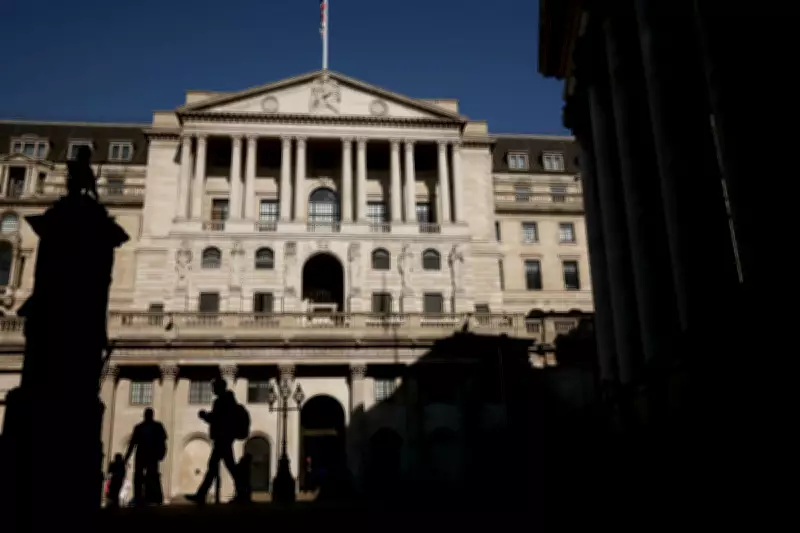
Financial markets have dramatically scaled back expectations for Bank of England interest rate hikes, now anticipating just one increase compared to three priced in just weeks ago. This radical reset in trader sentiment follows news of a ceasefire agreement in the Middle East, which has eased fears of prolonged energy price shocks.
Market Pricing Shifts as Geopolitical Tensions Ease
The two-year gilt yield has dropped to 4.1 per cent, reflecting the changed outlook. With the current Bank Rate at 3.75 per cent, the new market pricing represents a significant departure from mid-March, when traders, responding to the Bank's hawkish stance amid the Iran conflict, forecast three consecutive hikes.
The ceasefire, mediated by Pakistan between the US, Israel, and Iran, has raised hopes for resumed crude oil trade flows in the Gulf region. "The exposure of the UK economy to an energy price shock made interest rate expectations especially sensitive to geopolitical developments," said George Vessey, a macro strategist at a foreign exchange payments firm.

City Analysts Divided on Future Path
While economists widely expect the Monetary Policy Committee to hold rates steady at its 30 April meeting, opinions diverge on the trajectory for the rest of the year. Some analysts, like UBS Investment Bank's chief European economist Reinhard Cluse, have opened the door to potential rate cuts by year-end.
However, this view is not unanimous. IG market analyst Chris Beauchamp cautioned that any repricing to suggest imminent cuts is unlikely in the short term. "The most we can hope for right now is that the Bank stays on hold all year," he added.
Bank Governor Cools Earlier Expectations
Bank of England Governor Andrew Bailey remarked that traders were previously "getting ahead of themselves" in pricing multiple hikes. This comment aligns with the market's recalibration following the geopolitical developments.
Goldman Sachs economists noted that British consumers, having endured a spike in inflation after Russia's invasion of Ukraine, are likely "paying more attention" to price movements, underscoring the sensitivity of the economic environment.
MPC to Scrutinize Inflation and Wage Dynamics
The upcoming Monetary Policy Committee meeting will occur after the two-week ceasefire deadline, with members closely monitoring survey data on inflation expectations and job market trends. A key concern will be second-round effects, where elevated inflation can fuel higher wage growth, creating a persistent inflationary cycle.
International warnings highlight the UK's vulnerability. The OECD has projected that the UK economy will suffer the most significant hit from the energy price shock among advanced economies, facing the second-highest inflation in the G7 and the second-lowest growth rate this year.
Furthermore, an IMF analysis warned that the UK is more exposed than other European nations to trade disruptions across the Strait of Hormuz, a critical chokepoint for global energy supplies. This underscores the ongoing risks that policymakers must balance as they navigate a complex economic landscape.