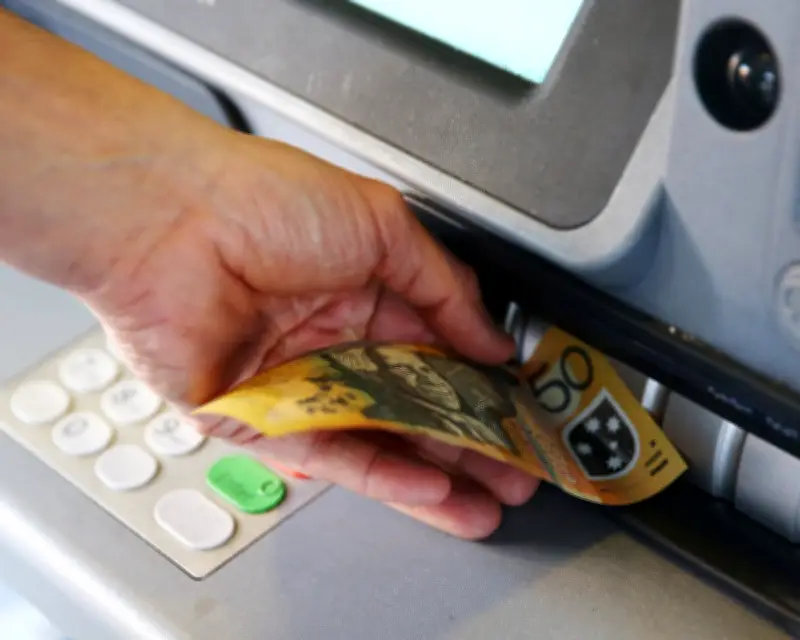
From 1 July 2026, about 2.8 million Australians on award and minimum wages will receive a 4.75% pay increase. The lowest-paid workers, around 100,000 people on minimum pay and entry-level rates, will get a 5.97% bump. The national minimum wage rises to $26.44 per hour, or $1,004.90 per week before tax, applying from the first full pay cycle in July.
Payday super and expanded parental leave
Superannuation must now be paid at the same time as wages, rather than quarterly, under reforms targeting over $3 billion in unpaid super each year. Contributions must reach funds within seven business days of payday. Government-funded paid parental leave increases from 24 to 26 weeks, with partner days rising from 15 to 20.
Tax cuts and SMS sender ID
The lowest marginal tax rate drops from 16% to 15% for income between $18,201 and $45,000, saving a person earning $45,000 or more $268 annually. Pending legislation, a proposed $1,000 instant work-expense deduction will benefit 6.2 million workers. From July, businesses sending branded text messages must register their sender ID; unregistered messages will be labelled “unverified” to combat scams.

Anti-price-gouging and anti-money laundering
New laws empower the ACCC to target price gouging by supermarkets with revenue exceeding $30 billion, currently Coles and Woolworths, prohibiting excessive pricing relative to supply cost plus reasonable margin. Breaches face financial penalties. Anti-money laundering laws expand to real estate, law, accounting, conveyancing, and jewellery sectors, requiring registration with Austrac and customer ID verification.
NDIS, Centrelink, and Medicare levy
NDIS providers in support roles must register with the NDIS quality and safeguards commission. Centrelink payments see small indexation increases. Medicare levy surcharge thresholds rise by $4,000 to $105,000 for singles and $8,000 to $210,000 for families.
Small business and seafood labelling
An instant asset write-off for assets under $20,000 becomes permanent for small businesses with turnover under $10 million. Businesses serving seafood for immediate consumption must label origin: Australian ('A'), Imported ('I'), or Mixed ('M').
State-specific changes
Queensland introduces the Reportable Conduct Scheme for child safety. Updated energy consumption labelling applies to new light vehicles. Victoria launches a portable rental bond scheme and reduces default electricity prices by $84/year for households and $241/year for small businesses. Western Australia expands the Containers for Change program to wine and spirit bottles and offers a $100 fuel support payment to licence holders. New South Wales mandates food waste services for large premises and requires L and P-plate motorcyclists to wear protective gloves and hi-vis vests. The ACT abolishes stamp duty for first home buyers. Queensland caps e-riders at 12km/h on footpaths and requires riders to be at least 16 with a licence. Households in NSW, south-east Queensland, and South Australia can access at least three hours of free midday electricity under the solar sharer scheme.