
Scientists are warning that a looming 'Super El Niño' — expected to form as early as this month — could push global temperatures to record-breaking levels and cause weather chaos in the UK.
What is a Super El Niño?
A Super El Niño develops when sea-surface temperatures in the central-eastern equatorial Pacific Ocean climb at least 2°C above average. The Met Office has cautioned there is increasing confidence that El Niño conditions may intensify considerably, with some specialists drawing comparisons between the emerging system and some of the strongest events on record.
Global Impacts
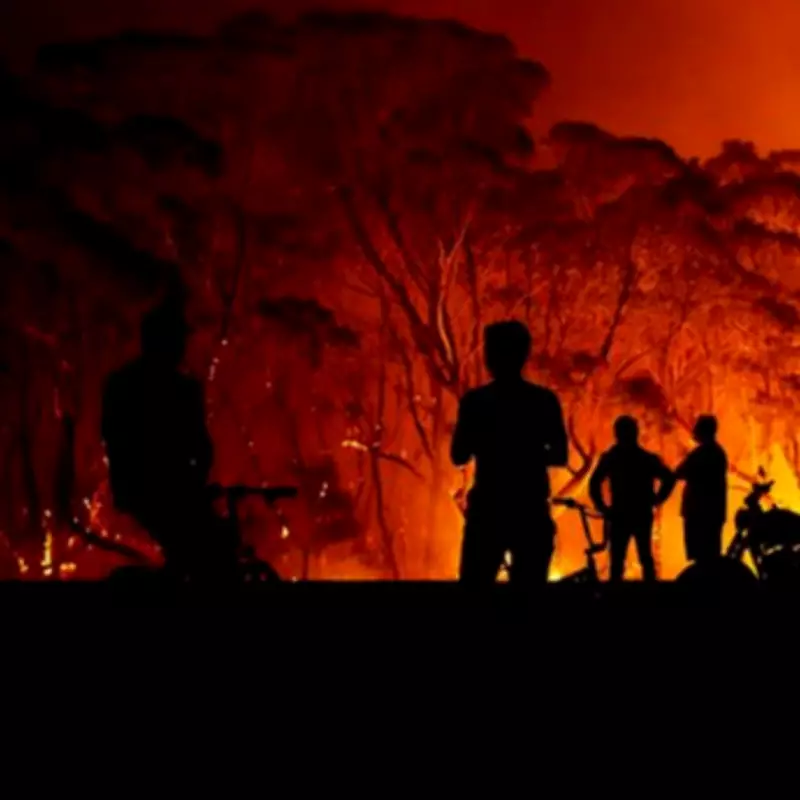
While El Niño originates thousands of miles away, it can still impact Britain's weather systems. Nations closest to the abnormally warm Pacific are susceptible to more pronounced consequences. Countries across the western Pacific, including Australia, Indonesia and the Philippines, may experience drier-than-usual conditions, potentially resulting in droughts and wildfires. South American nations such as Peru and Ecuador, however, could face considerably wetter conditions, potentially triggering catastrophic flooding.
UK Weather Effects
For the UK, weather impacts frequently trail behind the actual event itself. While El Niño could drive elevated temperatures throughout the summer months, Britons may experience its effects more acutely during the subsequent winter period. Met Office climate scientists confirm that El Niño years are 'one factor that can increase the risk of colder winters in the UK'.
Samantha Burgess, from the European Centre for Medium-Range Weather Forecasts, stated sea surface temperatures in recent days were marginally below the all-time highs of 2024. 'It's a matter of days before we are back in record-breaking ocean SSTs again,' Burgess said.
Last month, the Met Office cautioned that current forecasts indicate the El Niño could develop into a significant event, 'potentially comparable with some of the most impactful episodes in recent decades'. 'El Niño events often peak towards the end of the year, with maximum influence typically felt between November and February,' the forecaster stated. 'There is growing confidence that this event could sit at the upper end of the historical range.'
Researchers warn that the primary concern posed by El Niño is the additional heat it pumps into the atmosphere, compounding the effects of human-induced climate change.




