
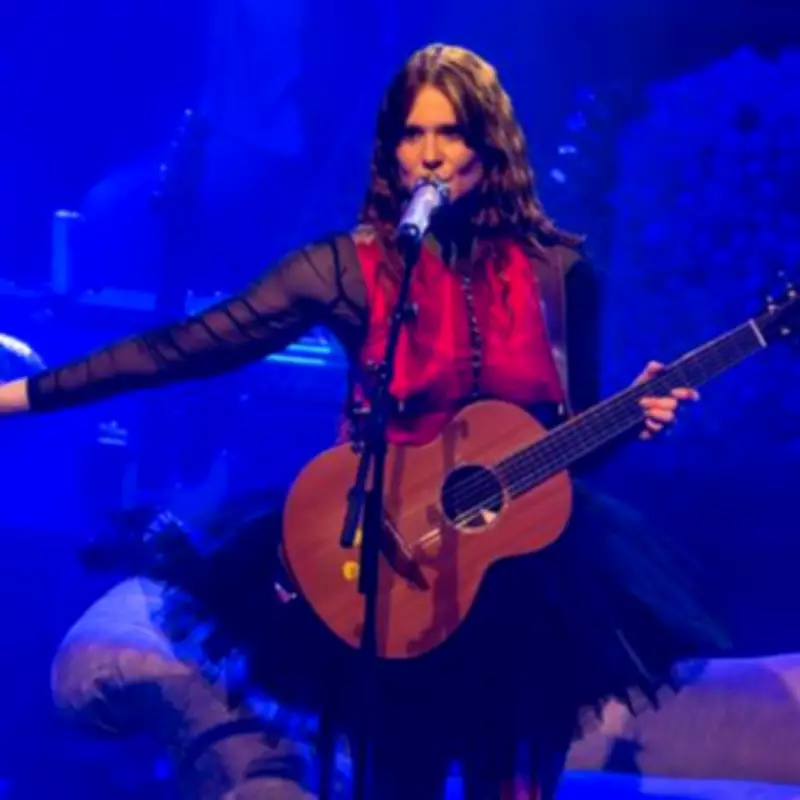
Musician and actor Kate Nash has disclosed that she is funding her tours through an OnlyFans account where she sells intimate photos, after suffering significant financial losses on recent performances across the UK and Europe. The artist, best known for her 2007 hit Foundations and her role in Netflix's GLOW, told a parliamentary committee that rising costs and post-Brexit regulations have made touring unsustainable for many performers.
Substantial Financial Losses on Recent Tours
Nash revealed that her last European tour resulted in a loss of £26,000, while her most recent UK tour saw her lose £13,000. These substantial deficits have forced her to take drastic measures to continue performing. She explained to MPs on the Culture, Media and Sport Select Committee that the financial strain led her to lay off a crew member just before Christmas, an action she described as deeply regrettable.
"I was doing everything I could to cut costs, which I really hate doing as an employer," Nash stated during her evidence session on Tuesday, February 3. "The more we limit artists, the more we limit UK culture on a global scale."
OnlyFans as a Necessary Funding Source
Despite her established career and fanbase, Nash said she now relies on her OnlyFans account to make touring feasible. "Now the only reason it is possible for me to do it is because I sell pictures of my bum on the internet," she told the committee. She started the account during her last touring cycle both to generate income and to draw attention to the challenges facing artists.
Nash expressed frustration with the current situation, saying she and many other artists are "sick of screaming into the void" about how difficult it has become to sustain a career in music under current economic and regulatory conditions.
Warning About the Future of UK Music
The singer issued a stark warning to MPs about the potential consequences if these issues are not addressed. She argued that touring is becoming increasingly exclusive, accessible only to those with substantial personal wealth. "I think music should not be exclusive, it's for all, and it becomes an issue of class, race, gender, sexuality and identity," Nash emphasized.
She highlighted the particular challenges facing emerging artists, questioning how they could possibly afford to tour without disposable income. "If a new artist doesn't have disposable income, I don't understand how they would be able to do shows in the UK, let alone in Europe," she said.
Broader Implications for UK Culture and Economy
Nash warned that the current trajectory threatens not just individual artists but the UK's cultural reputation and economic interests. "We are at risk of losing our reputation and pride in our culture, which will have a knock-on effect on the UK economy," she told the committee.
She called for greater consideration of the pipeline for future musical talent, expressing concern about how UK music is perceived internationally if only wealthy artists can afford to tour. The evidence session, which also included representatives from the Musicians Union and Association of British Orchestras, highlighted widespread concerns about post-Brexit touring arrangements and their impact on the performing arts sector.




