
The aftershocks of Brexit’s failure could be gaining strength, posing a fearful prospect for Ireland, according to Irish Times columnist Fintan O’Toole. Writing in a retrospective on the tenth anniversary of the 2016 referendum, O’Toole reflects on how the once-promising relationship between Ireland and the UK has been damaged, and warns that the rise of Nigel Farage could further destabilize the delicate fabric of cross-border ties.
The 2011 State Visit: A High Point of Anglo-Irish Relations
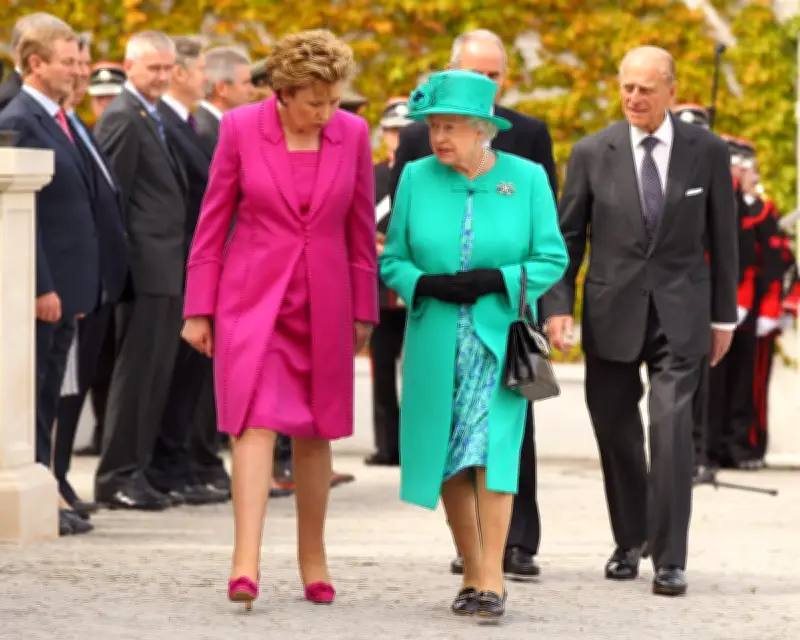
O’Toole points to Queen Elizabeth’s four-day state visit to Ireland in May 2011 as a pivotal moment. It was the first visit by a reigning British monarch to what is now the Republic in nearly a century. The visit was meticulously choreographed to signal equality between the two nations, exorcising the ghosts of colonial history and Anglophobia. This breakthrough was made possible by two factors: close cooperation in the Northern Ireland peace process, where Dublin and London worked as inseparable partners, and the European Union, which granted small nations like Ireland equal standing at the table. Over decades, Irish and British officials learned to work together, often arguing for the same interests.
The Shock of Brexit: Recklessness and Ignorance
For most Irish people, the shock of Brexit was not the decision itself—Ireland understands the emotional pull of nationalism—but the sheer recklessness of Brexiters. During the referendum debates, Northern Ireland was barely mentioned, treated as an afterthought. David Davis’s claim that there was “no downside to Brexit at all, and considerable upsides” was terrifying from an Irish perspective, as it revealed a blithe ignorance of the complexities of the Irish border. Only those who knew nothing of Ireland’s history or the hard-won peace could believe that turning the meandering border into an EU external frontier had no downside.
Damage Limitation: The Backstop and the Irish Sea Border
Ireland had little choice but to enter damage limitation mode. The Irish government and diplomatic service prepared for Brexit far more thoroughly than their British counterparts, convincing EU members that avoiding a hard border must be a precondition for any exit agreement. This led to the backstop crisis and the eventual concession that Northern Ireland would remain in the EU’s customs union and single market, effectively placing the border in the Irish Sea. While this outcome was a blow to unionism, O’Toole argues that Ireland did not win either—damage limitation is not victory. What was lost was the trust built over decades, the sense of common purpose, and the feeling from 2011 that bad history had been acknowledged and transcended.
Fear of Farage and the Future
O’Toole acknowledges that Keir Starmer’s government has worked to rebuild trust, but the dominant feeling in Ireland is sadness, not anger. There is no pleasure in being proved right about Brexit’s economic stasis and political instability. However, there is fear that one delayed consequence of Brexit could be Nigel Farage in Downing Street. From across the Irish Sea, it feels as if the aftershocks of Brexit—and its comprehensive failure—are not diminishing but strengthening. Having seen the damage a reactionary British government can do, Ireland cannot be complacent.




