
A sweeping ban on television and online advertising for unhealthy food and drink has come into full force across the United Kingdom today, Monday 5 January 2026. The landmark policy aims to curb rising childhood obesity rates by restricting the promotion of products high in fat, salt, and sugar.
What the New Advertising Rules Mean
The comprehensive restrictions prevent advertisements for so-called "less healthy" items from appearing on TV before the 9pm watershed, specifically between 5.30am and 9pm. A stricter, round-the-clock prohibition applies to all online advertising platforms. The rules target food and drink classified as high in saturated fat, salt, or sugar (HFSS).
Enforcement of the ban falls to the Advertising Standards Authority (ASA). The government first announced these plans in 2021 under the Conservatives, but implementation was delayed twice before finally taking effect after initial voluntary measures were introduced in October of last year.
Which Products Are Affected?
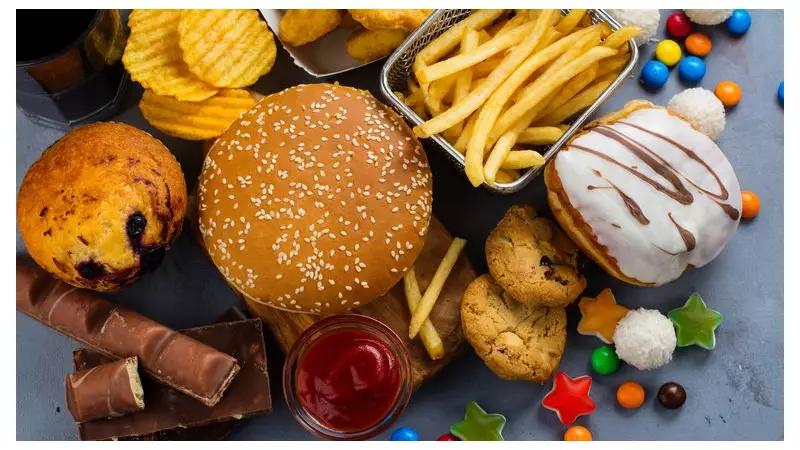
The legislation focuses on 13 specific product categories deemed most influential in children's diets and obesity levels. Notable inclusions are soft drinks, chocolate, sweets, pizzas, cakes, and ice cream.
However, the list also encompasses several everyday items, meaning not all products within a category are automatically banned. Each item must be assessed using a official nutrient profiling model. Only those that score outside an acceptable health range will face advertising restrictions.
This nuanced approach means:
- Plain oats, many porridges, muesli, and granola can still be advertised.
- Versions of the same products with added sugar, chocolate, or syrup are likely to be restricted.
- Other categories under scrutiny include breakfast cereals, sandwiches, sweetened bread products, and yoghurts.
The government hopes this scoring system will incentivise manufacturers to reformulate their recipes to create healthier options that can still be marketed to the public.
The Public Health Imperative
The driving force behind the ban is a severe childhood obesity crisis. Recent statistics reveal that one in every ten children starting primary school (reception-aged) is now obese. Furthermore, dental health figures show one in five children suffer from tooth decay by their fifth birthday.
Ministers estimate that this advertising ban will directly prevent approximately 20,000 cases of childhood obesity. The broader cost of obesity to the National Health Service is staggering, exceeding £11 billion annually.
This advertising crackdown follows the recent announcement by Health Secretary Wes Streeting of an extension to the sugar tax, which will for the first time include milkshakes and lattes. Together, these policies form a concerted government effort to improve the nation's diet and reduce the long-term burden of obesity-related illnesses on individuals and the health service.




