
WHO Reports Fatal Nipah Virus Case in Bangladesh, Urges Vigilance
The World Health Organization (WHO) has officially confirmed that one person has died from the Nipah virus in Bangladesh, according to a recent statement. This development has raised concerns among health authorities and the local population, as the virus is known for its high fatality rate and potential for human-to-human transmission.
Details of the Confirmed Case and Health Response
The fatal case was identified through laboratory testing, which confirmed the presence of the Nipah virus. WHO officials have not disclosed specific details about the individual, such as age or location, to protect privacy, but they have emphasised that the incident is under close investigation. In response, Bangladeshi health authorities, in collaboration with WHO, have intensified surveillance measures to monitor for any additional cases and prevent further spread.
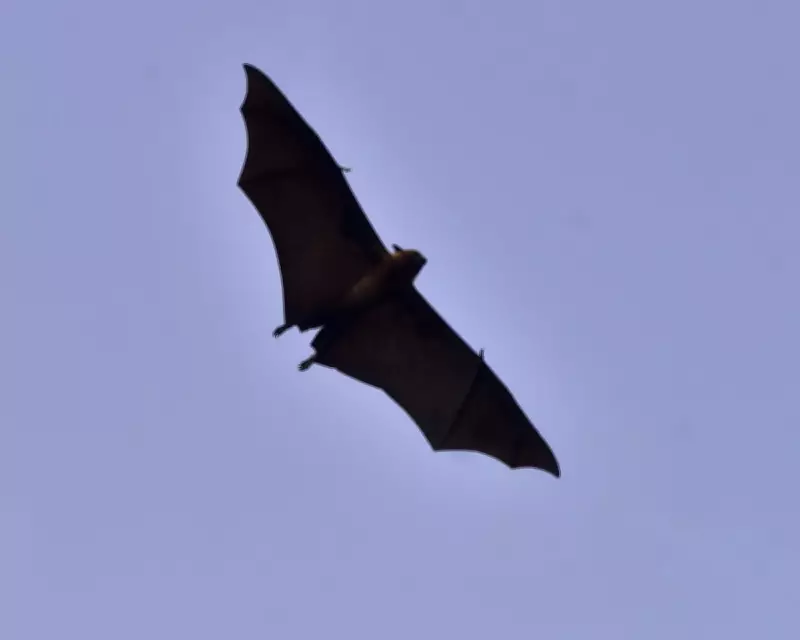
Public health campaigns are being rolled out to educate communities about the symptoms of Nipah virus, which can include fever, headache, and respiratory issues, and to promote preventive practices. These efforts are crucial, as the virus is often transmitted through contact with infected animals, such as fruit bats or pigs, or via contaminated food.
Global and Regional Implications of the Outbreak
This incident highlights the ongoing threat of zoonotic diseases in South Asia, where Nipah virus outbreaks have occurred periodically in the past. WHO has reiterated the importance of robust health systems and rapid response capabilities to manage such emergencies effectively. The organisation is providing technical support to Bangladesh, including assistance with contact tracing and laboratory diagnostics.
Health experts warn that while the current case is isolated, the situation requires continuous monitoring due to the virus's potential to cause larger outbreaks. They advise travellers and residents in the region to stay informed and follow health guidelines issued by local authorities.
Key Takeaways from the WHO Announcement- One confirmed death from Nipah virus in Bangladesh, as reported by WHO.
- Increased health surveillance and public awareness campaigns are underway.
- The virus poses a significant risk due to its high mortality rate and transmission routes.
- WHO is supporting Bangladesh with technical aid to contain the outbreak.
In summary, the confirmation of a Nipah virus fatality in Bangladesh by WHO serves as a stark reminder of the persistent challenges in infectious disease control. It underscores the need for international cooperation and proactive health measures to safeguard public health in vulnerable regions.




