
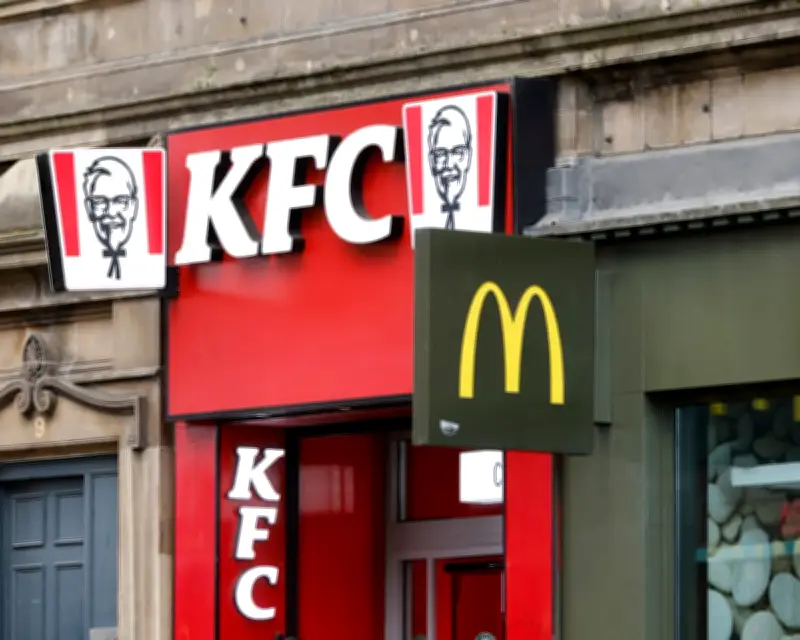
A cross-party group of MPs has called for a ban on new fast food outlets near schools and an end to junk food advertising on billboards and public transport to combat the UK's obesity crisis. The Commons health committee warns that the food industry is exploiting loopholes in planning regulations to challenge local councils' efforts to restrict fast food openings.
Obesity epidemic costs UK £74bn annually
The committee's report highlights that two-thirds of adults (66%) and 28% of 13- to 15-year-olds in England are overweight or obese. Despite hundreds of initiatives since 1992, obesity levels continue to rise, costing the UK an estimated £74bn per year in health and economic impacts.
Loopholes allow fast food chains to bypass restrictions
According to the MPs, fast food chains such as KFC are using legal loopholes to challenge council decisions. The national planning policy framework allows outlets selling takeaway products to be classified as restaurants rather than fast food premises, undermining local restrictions. The committee urges the government to clarify what constitutes a hot food takeaway and give councils stronger powers to block new outlets near schools.
Layla Moran, chair of the committee and Liberal Democrat MP, said: “It has become common sense that if we want to stem the tide of the obesity epidemic in children, we should be removing the temptation of fast food outlets in the vicinity of schools and areas of high levels of childhood obesity. The upcoming reforms to national planning regulations should give local authorities the power to fight the big chains for the sake of our children’s health.”
The report notes that Gateshead Council successfully reduced childhood obesity by restricting fast food openings near schools and in deprived areas. However, KFC has taken legal action against 43 councils attempting similar measures, winning more than half of those cases.
Call for advertising ban on junk food
The committee recommends banning all outdoor advertising of foods high in fat, sugar, or salt, including on billboards, buses, and trains. About £680m is spent annually on advertising food and non-alcoholic drinks across TV, radio, and outdoor media. The MPs argue that people's environments have become “obesogenic” and require a “holistic, consistent and watertight approach” to reduce children's exposure to unhealthy food marketing.
However, the Advertising Association disputed the effectiveness of such a ban. A spokesperson said: “Decades of research across multiple academic disciplines has repeatedly shown that advertising does not contribute to long-term changes in obesity or BMI and that advertising restrictions do not improve the nation’s health. With regards to the committee’s call for a potential ban on all outdoor advertising, we would point again to the evidence this will have little to no impact whatsoever on levels of childhood obesity.”
Further recommendations to improve diets
The MPs also call for supermarkets to prominently display fruit and vegetables near entrances and checkouts to boost sales. They want mandatory front-of-pack traffic light labelling on all food, which some chains already use. The government should compel food producers to disclose the percentage of sales from healthy and unhealthy products. Additionally, ministers are urged to “be more courageous” in standing up to industry lobbying that delays measures to tackle poor diets.
The report criticises Keir Starmer's Labour government for not following through on pledges to introduce diet-related policies. The committee stresses that bold action is needed to reverse the obesity trend and reduce the burden on the NHS.




