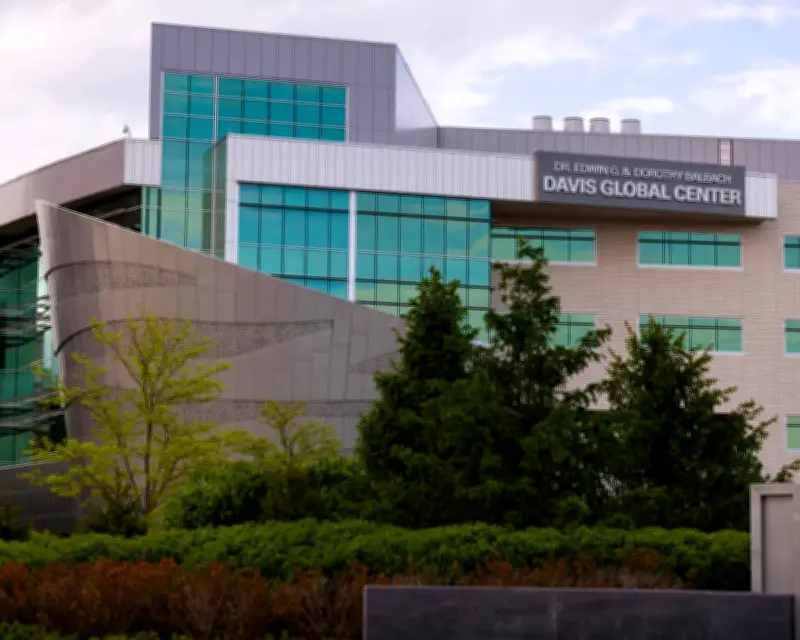
The US health department confirmed on Monday that the enforced 42-day quarantine for eight Americans exposed to a deadly hantavirus outbreak on the MV Hondius cruise ship has ended. The group was released from the national quarantine unit in Omaha, Nebraska, after being held for six weeks. One passenger, Angela Perryman, accused the government of detaining her against her will, calling the quarantine a political stunt.
Background of the outbreak
The MV Hondius, a Dutch-flagged cruise ship, was evacuated in the Canary Islands in early May after an outbreak of the rare Andes strain of hantavirus. Three people died and 13 cases were identified among passengers and crew. Eighteen Americans were transferred to the University of Nebraska medical center for quarantine, with the final eight released on Monday.
Government justification for quarantine
Emily Hilliard, a spokesperson for the US Health and Human Services Department (HHS), stated that the quarantine was necessary to protect the public. "Through close collaboration among federal, state, and local partners, HHS helped protect the American people, contain potential risks, and bring this response effort to a successful conclusion," she said in an email to the Associated Press.
Passenger reactions and criticism
Angela Perryman, one of the quarantined passengers, described being locked in her room until 1:55 pm on Sunday, then told at 2 pm that she was free to leave. She insisted on a flight to her Florida home that night, which the government paid for. "We were locked in our rooms until 1.55pm," she said. "And at two o’clock, ‘OK, well, everybody walk out and go home.’"
Health law experts criticized the quarantine order as unnecessary and dangerous. Lawrence Gostin, health law professor at Georgetown University, called it "arbitrary, capricious, and unjust." James Hodge, professor at Arizona State University, said health officials should not use "unconstitutional, ill-advised, unproven techniques to control infectious diseases."
Perryman accused HHS Secretary Robert F. Kennedy Jr. of orchestrating "a political stunt." Kennedy had overruled CDC medical advice that those exposed should self-quarantine at home.
Details of the quarantine experience
During their stay, passengers were housed in hotel-like rooms with desks, televisions, internet, and exercise equipment. Omaha restaurants and food trucks delivered special meals almost daily, and nurses made occasional Starbucks runs. None of the Americans contracted the disease, which is usually spread through inhaling contaminated rodent droppings. The Andes strain is the only hantavirus known to be transmittable between humans, with symptoms taking up to 42 days to appear.
Other passengers' experiences
Jake Rosmarin, a Boston-based travel blogger with 165,000 Instagram followers, posted a video titled "I’m finally coming home" showing him leaving his room. He thanked the quarantine unit staff, the Omaha community, and his family and friends for their kindness and compassion. "You went above and beyond to make an impossible situation more comfortable, and I will never forget that," he wrote.
Broader context
Most of those evacuated from the cruise ship were from other countries. Among the deceased was a Dutch couple believed to be the first exposed to the virus while visiting South America. At least 30 other passengers disembarked before the outbreak was documented, including seven Americans allowed to self-monitor at home. When the ship reached the Netherlands, 25 crew members and two medical personnel were required to enter quarantine.