The last time Henrietta Hastings saw her son Charlie alive, she hugged him goodbye outside his flat. It was June 26, 2021, and the 32-year-old was looking forward to a quiet evening of football and a takeaway. Within hours, he was dead, his life cut short by a tragic chain of failures that denied him access to his essential epilepsy medication.
A Life Managed, Then Thrown Into Chaos
Charlie Hastings was a loving, funny young man who had lived with epilepsy since being diagnosed at 14. For years, his condition was severe, causing monthly or weekly seizures that often resulted in physical injury. At the age of 30, a breakthrough drug called Fycompa finally brought his seizures under control, allowing him to study occupational therapy at Brunel University London and build a future.
That stability shattered in June 2021. On Thursday, June 24, Charlie was notified he needed to self-isolate due to a Covid-19 contact. This posed a critical problem: he had planned to travel to his university pharmacy the next day to collect a repeat prescription, as his medication was due to run out on Friday evening. The isolation rules made the journey impossible.

A Fruitless Search for Help
On Friday, June 25, with his pills exhausted, Charlie entered a desperate scramble. He contacted his GP for an emergency refill, but it was never issued. He called NHS 111 three times, with operators promising to send a prescription to his local Superdrug pharmacy. Henrietta and her husband Richard even drove to meet him there, babysitting their grandchild in the car.
At the pharmacy, they were flatly told no prescription had been received. Calls between 111 handlers and the pharmacist revealed a 'supply issue'. Crucially, the pharmacist was locked out of his system and only had two of the three drugs Charlie needed. No one mentioned the Human Medicines Regulations Act 2012, which allows pharmacists to supply certain medications in an emergency without a prescription if a patient can prove prior need.
"He pleaded with handlers: 'It's an emergency, do you understand?'" Henrietta recalled from inquest recordings. The family's last resort was finding two expired, lower-dose pills at his girlfriend's flat. Charlie took one, hoping to stretch them until Monday. Henrietta dropped him home and hugged him for the last time.
A Preventable Tragedy and a Mother's Mission
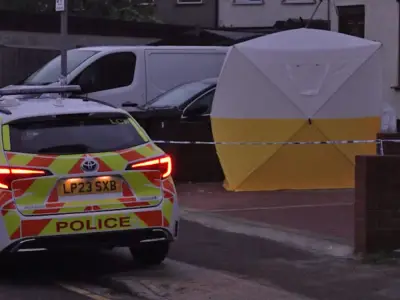
The next morning, after no response to calls, Henrietta and Richard found Charlie lifeless on his flat floor. His uneaten takeaway was still on the table. The cause was SUDEP – Sudden Unexpected Death in Epilepsy, which claims around 1,000 lives in the UK each year.
A February 2025 inquest highlighted a "significant number of failures": the GP did not escalate the emergency request, the pharmacist failed to communicate system issues, and the critical information about emergency supply laws was never given. "Charlie could've been saved," Henrietta stated. "If my son hadn't been failed by so many people, he'd be sitting with me now."
Driven by her grief, Henrietta has worked with SUDEP Action to create the Charlie Card. This information card quotes the 2012 legislation and is designed to help individuals obtain emergency medicines from pharmacists. The campaign has now been taken to Downing Street, calling on Health Secretary Wes Streeting to make this knowledge readily available.
"I want people to understand that Charlie's death was preventable," Henrietta said. "My loving and funny son could still be here if we knew this information."