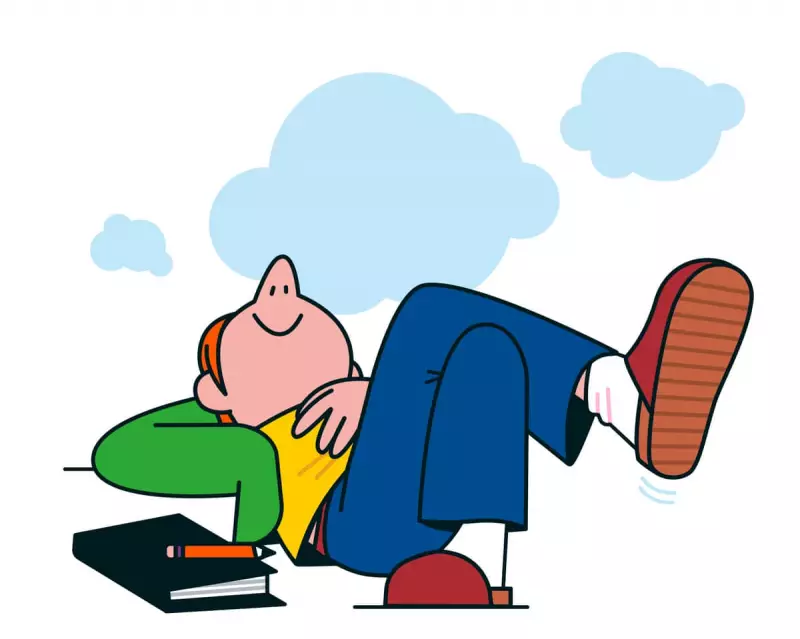
On a recent wet weekend, with cancelled plans and an empty diary, a familiar sense of panic set in. For those of us accustomed to a packed schedule, finding ourselves with nothing to do can feel unsettling, even alarming. The initial response is often to fill the void with any activity, however trivial.
This experience led to an impromptu rescue mission for a collection of neglected houseplants. The simple, methodical acts of watering, pruning, and repotting created an unexpected sense of calm. As evening fell, this quiet pottering evolved into a cosy night in, culminating in the best night's sleep in weeks.
This personal anecdote highlights a common paradox. We frequently crave rest from our hectic lives, yet when genuine downtime arrives, we struggle to accept it. The discomfort of inactivity is a widespread phenomenon, one that science is beginning to explain and even champion for its hidden benefits.
The Psychology of Our Aversion to Idleness
Research provides a startling insight into our collective reluctance to simply be. Studies show people consistently underestimate how much they will enjoy periods of inactivity. The human preference for action is so strong that participants in a notable Harvard University study chose to administer mild electric shocks to themselves rather than sit quietly with their thoughts for just six to fifteen minutes.
Why is doing nothing so difficult? Gabrielle Treanor, author of The 1% Wellness Experiment, suggests the opportunity rarely presents itself. "Nowadays there is always something to occupy us. We are connected to everything all the time," she says. Social media constantly feeds us ideas for new projects, trips, and improvements, creating a sense that we should be cramming every moment with experience.
Compounding this is a deep-seated sense of guilt. "Many of us grew up with the phrase 'the devil will find work for idle hands'," Treanor notes. In a culture where busyness is often worn as a badge of honour and moral worth, consciously choosing idleness can feel like a failure in our roles as parents, employees, or friends.
How Boredom Unlocks Creativity and Insight
Far from being a negative state to avoid, boredom is now recognised by psychologists as a potent catalyst for creativity. Dr Sandi Mann, a psychologist at the University of Lancashire and author of The Science of Boredom, conducted revealing experiments.
Participants given the tedious task of copying numbers from a phone book later outperformed others in a creative thinking test. A second group given an even more mind-numbing activity—simply reading numbers aloud—showed greater creative prowess still.
"When we are bored, our brain is frantically searching for neural stimulation," Dr Mann explains. "When we can't meet that need externally, our brains search internally, leading to mind-wandering and daydreaming. These states have been strongly linked to creativity."
This is because idleness allows access to the brain's default mode network, a semi-conscious state where the mind makes novel connections without the critical, inhibitory voice that dominates our alert hours. The freedom to roam "outside the box" can generate ideas that a focused, task-oriented brain would dismiss.
Practical Strategies for Productive Idleness
So, how can we harness this power? Dr Mann recommends scheduling activities with low cognitive load into our days, especially when facing a problem. "Going for an aimless walk, lying down to watch clouds, or simply sitting to observe the world are ideal," she says. She cautions that passive screen time—watching TV or scrolling—does not have the same effect, as it engages the brain enough to stifle the daydreaming process.
Gabrielle Treanor suggests starting small for those daunted by the prospect. "See it as an experiment. If you walk the dog while listening to a podcast, try removing the headphones. Notice your surroundings instead," she advises. For the brave, she recommends attempting to sit and do absolutely nothing for just two minutes, without judgement.
It's important to distinguish between chosen, restorative idleness and the unexpected, frustrating downtime that can occur in some workplaces. Research by Karoline Schubert at Friedrich Schiller University Jena finds that unanticipated idle time at work can reduce wellbeing and performance, linked to both boredom and fatigue.
The key difference lies in expectation. Workers who anticipate quiet periods, like a call centre employee between calls, often use the time productively—helping colleagues, learning a skill, or organising their space—transforming dead time into something valuable.
Embracing the art of doing nothing is not about laziness, but about reclaiming mental space. It is a conscious choice to step off the treadmill of constant productivity and allow the mind the freedom it needs to rest, wander, and ultimately, create. The next time you find yourself with a free moment, you might just resist the urge to reach for your phone. The benefits of a little boredom could be greater than you think.