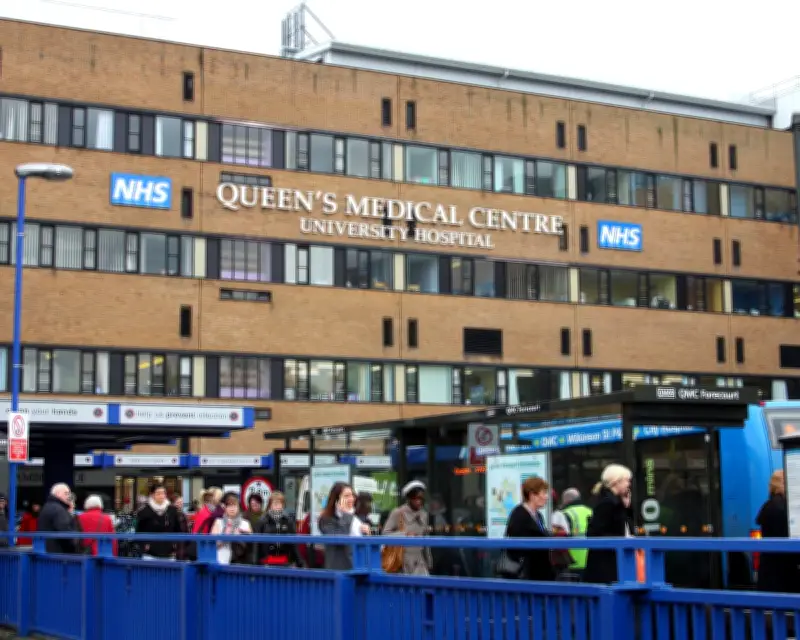
A major independent review into the largest maternity care scandal in NHS history has been published, revealing that more than 500 mothers and babies died or were seriously harmed under the care of Nottingham University Hospitals NHS Trust between 2012 and 2025. Led by senior midwife Donna Ockenden, the review examined 2,500 cases of stillbirths, maternal deaths, and severe complications, concluding that a significant number could have been avoided with adequate care.
Systemic and Deep-Rooted Failures
The report found that failures in maternity and neonatal care were "systemic, deep-rooted and sustained over many years." At every stage of care—from antenatal to postnatal—mothers and babies were subjected to repeated failures to accurately report, grade, and investigate serious incidents. These failures resulted in severe harm or death, while incidents were often downgraded or dismissed as "unavoidable" to protect the trust's reputation. Of the 462 stillbirths reviewed, about one in five had significant or major concerns identified in the patient's care. Among the 27 maternal deaths, suboptimal care was found in 21.4% of cases. Additionally, 142 cases of fourth-degree perineal tears, 130 unexpected intensive care unit admissions, 115 massive obstetric haemorrhages, and 76 cases of severe pre-eclampsia were identified.
Women's Concerns Consistently Ignored
Women repeatedly reported feeling dismissed, disempowered, or blamed when they raised concerns about symptoms such as reduced foetal movements, severe pain, hypertension, or postnatal deterioration. Their instincts were frequently minimized or reframed as anxiety. One woman described being "sneered at for asking for pain relief," while another was told, "If you don't like it, you should have gone somewhere else." A key example is the case of baby Harriet Hawkins, who was stillborn despite her mother Sarah Hawkins making repeated phone calls about intense pain and contractions. Her symptoms were ignored, and she was told she was not in labour. The family received £2.8 million in a clinical negligence settlement, the largest ever for stillbirth.
Chronic Understaffing and Bullying Culture
Chronic understaffing was one of the most pervasive themes, with 80% of surveyed staff stating there were not enough personnel for the workload, and 59% regularly working beyond rostered hours. A toxic bullying culture persisted, with labour ward coordinators writing terms like "idiot" on assignment boards instead of using names. Incidents included threatening letters and urine thrown over a staff member's car. One staff member said, "In a harsh working environment you survive by becoming hard; the bullying culture is a way of managing your anxiety." This environment intimidated junior staff from escalating concerns.
Exacerbated Inequalities for Minority Groups
Failures were even more pronounced for women from Black, Asian, and other ethnic backgrounds, teenage mothers, and those from deprived backgrounds. Mothers reported direct racism and a "toxic blame culture." In one case, a woman from a north African background with persistent headaches, slurred speech, and facial asymmetry was told her symptoms were due to "hormones" and later died from a brain tumour. Another woman with similar symptoms had them attributed to mental health concerns and a "language barrier," and she also died from a brain tumour.
Psychological Harm and Post-Death Care Failures
The review uncovered severe failings in mortuary and post-death care, including the disposal of an early gestation baby as clinical waste, a deceased baby kept in a domestic fridge, and a baby placed on a storage tray with an unrelated adult. Families described lack of compassionate bereavement care and poor communication. The trauma led some mothers to end subsequent pregnancies; one said she was "too frightened to go through the experience again."