In response to Hugh Davies' article about his experiences with a cleft lip, Dr Stephanie van Eeden from the University of Bristol highlights the ongoing challenges and a new UK-wide research programme aimed at young adults.
The Reality of Cleft Conditions
Dr van Eeden emphasises that a cleft is often misunderstood as a minor cosmetic issue, but in reality, it affects feeding, hearing, speech, dental development, facial growth, and emotional wellbeing from birth. The reforms in the early 2000s that regionalised cleft care have improved experiences for children today, with coordinated surgical care and better support for speech, hearing, and psychological needs.
The Cleft@18-23 Study
However, there is still a gap in knowledge about the journey into adulthood. The Cleft@18-23 study, funded by the National Institute of Health and Care Research, aims to understand the experiences, challenges, and hopes of young adults aged 18 to 23 born with a cleft. Research clinics are taking place across the UK, and online interviews are available for participation. Young people have helped shape the study and have spoken about how their experiences differ from older generations and the importance of building a community across ages.
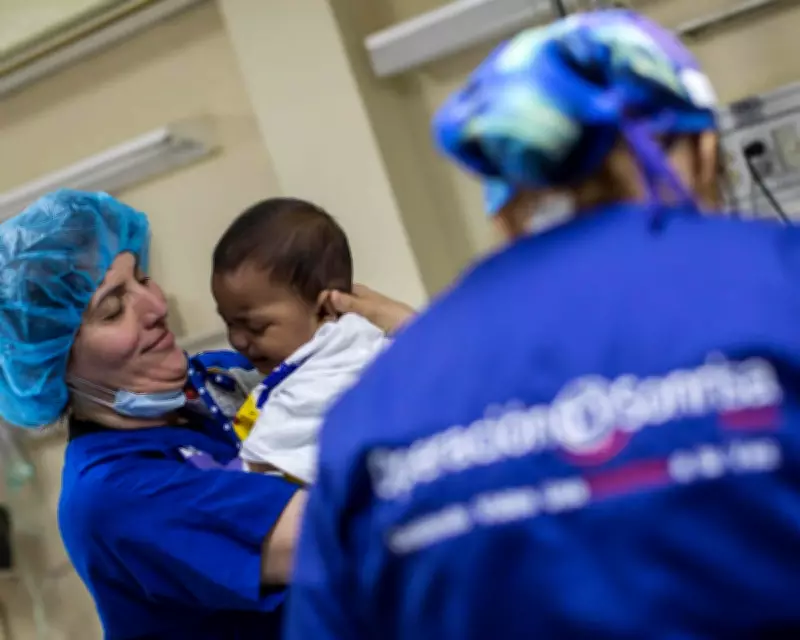
Kenneth Low, also in his 60s and born with a cleft palate, echoes Davies' sentiments. He notes that facial features affect how others respond and judge intelligence, leading to shyness but also determination. He was fortunate to be treated by a top surgeon as a child and stresses the importance of charities like Operation Smile, which provides surgery, nutrition, dentistry, orthodontics, speech therapy, and psychosocial care for children in poor countries.