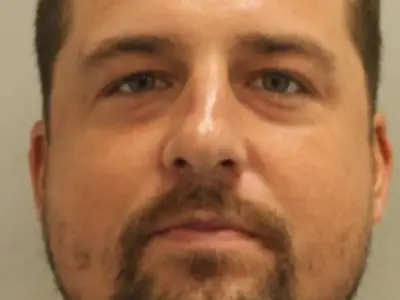
Marvin Pérez moved from Guatemala to Oakland, California, seeking a better life. Two years ago, at age 23, he was shot multiple times while walking home, leaving a bullet lodged in his left leg. Physical recovery was tough, but the mental toll was worse: nightmares and constant thoughts of the shooting plagued him, and he felt he had no one to confide in.
“The emotional and psychological problems I faced were so big, I couldn’t handle it on my own,” Pérez said in Spanish. He eventually received counseling from Youth Alive, an Oakland-based gun violence intervention nonprofit, which he credits as a turning point. Now, Youth Alive is sponsoring the Thrive Act, a California bill that would expand such services statewide.
The Thrive Act: A Pilot Program for Youth
The Trauma Healing and Resilience Investment for Victimized and Exposed Youth Act (Thrive Act) would establish a pilot program offering mental health resources to individuals under 25 who have been shot, lost a family member to gun violence, or witnessed a shooting, regardless of immigration status. The bill aims to fill a critical gap: nationally, about three in five children do not receive mental health services after a firearm injury, according to research cited by supporters.
“So many youth go through these traumatic things and are expected to try to navigate a complicated bureaucracy, stacks of paperwork in order to get seen,” said Gabriel Garcia, Youth Alive’s policy and advocacy director.
Response to Stockton Mass Shooting
The Thrive Act emerged partly after a mass shooting at a child’s birthday party in Stockton last year, where three children aged 8, 9, and 14, and a 21-year-old were killed, and 11 others were injured. Californians for Safety and Justice, an advocacy group co-sponsoring the bill, proposed better long-term mental healthcare access to Assemblymember Sade Elhawary, a Democrat whose district includes parts of south Los Angeles heavily affected by gun violence.
“We’re ensuring that we’re not continuing the cycle of violence because oftentimes folks see that their mode of coping is retaliation,” said Elhawary, who coauthored the bill with Democratic Assemblymembers Cecilia Aguiar-Curry, Mialisa Bonta, and Maggy Krell.
Counties with High Gun Death Rates Targeted
The bill proposes state grants for pilot programs in Los Angeles, San Bernardino, Solano, and Alameda counties, all with high rates of gun deaths. Despite a decrease in firearm homicides in major U.S. cities over the past five years, firearm violence remains the leading cause of death among children and adolescents nationally. About 5,000 children are injured or killed by firearms each year, according to research from the University of Texas Medical Branch.
“We’ve seen gun violence decline over the years, which is great, but that doesn’t mean it’s totally over,” Elhawary said. “Communities like ours really often still get the brunt of what we do see.”
Long-Term Impact and Barriers to Care
Nicole Kravitz-Wirtz, an associate professor at the Centers for Violence Prevention at the University of California, Davis, notes that even when young people survive gun violence, it can disrupt their lives for years through post-traumatic stress, anxiety, hyper-vigilance, substance abuse, and emotional dysregulation. These symptoms are compounded by environmental factors like family stress, poverty, and housing instability, common in neighborhoods with higher firearm violence rates. However, psychological trauma recovery services for youth are often fragmented; a young person may receive physical treatment at a hospital but lack a clear pathway to ongoing mental healthcare.
Black and Latino communities, disproportionately affected by gun violence in California and nationally, face additional barriers: less financial resources, stigma, and fewer providers. Garcia said the bill would start to eliminate these barriers. “Transformation, I think, is something that seems to only be possible when somebody has the support they need that’s really addressing the trauma,” he said.
Challenges Ahead: Funding and Prioritization
The bill recently passed the assembly floor and is under review by the Senate health and judiciary committee. Elhawary says the biggest challenge is securing millions of dollars for the pilot program. She is working with fellow legislators and participating counties to demonstrate feasibility. “They are supportive of the bill. It’s just how we get to the point where it then becomes a priority in terms of what we invest in, in terms of the budget,” she said.
Garcia added that another challenge is getting lawmakers to invest in low-income communities affected by daily gun violence. “When we’re talking about mass shootings, we focus on communities where there isn’t a normalization of gun violence, but ultimately, the individuals that are most impacted are coming from communities like ours in Oakland,” he said.
Pérez, now 25, feels more comfortable playing soccer again, though he remains vigilant. He supports any legislation that expands mental health services. “God has a plan for us, and that’s why we have been given another opportunity,” Pérez said. “Don’t quiet yourself, tell your problems to someone else so you can receive the help you need.”