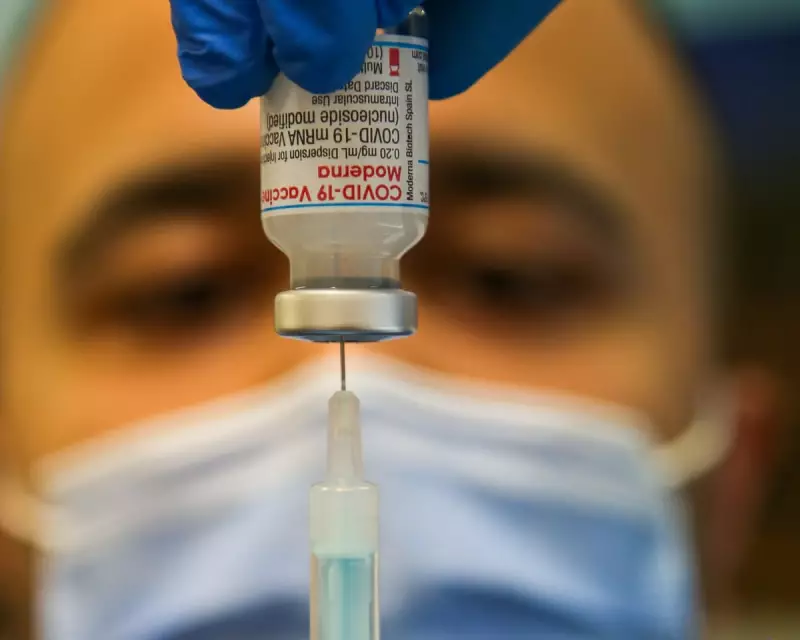
The remarkable success of mRNA vaccines against Covid-19 stands as one of modern science's great triumphs. Yet, the future of this transformative technology is now clouded by political uncertainty in the United States, the very nation that pioneered it. A concerted campaign against mRNA science by the second Trump administration is jeopardising America's lead, creating a pivotal opportunity for the UK and the European Union to advance global health.
The American Retreat from a Scientific Breakthrough
The rapid development of Covid-19 vaccines emerged from a unique convergence of emergency funding, relaxed regulations, and unprecedented scientific collaboration. This environment allowed the groundbreaking work of Nobel laureates Katalin Karikó and Drew Weissman to swiftly become life-saving medicine. The US government invested over $10 billion into mRNA development, building a formidable scientific and logistical infrastructure poised to tackle other diseases.
However, under Health Secretary Robert F Kennedy Jr, the administration has executed a stark reversal. The US Department of Health and Human Services has initiated a "coordinated wind-down" of federal mRNA funding, cancelling an additional $500 million for 22 research projects. This abrupt shift signals Washington as an unreliable partner and deliberately undermines public confidence in vaccines, a fact evidenced by falling vaccination rates across the country.
The Global Race for the Next Generation of Vaccines
Despite the political headwinds in the US, the scientific promise of mRNA technology continues to accelerate. Its ability to be quickly designed and easily adapted makes it ideal for pathogens that mutate, like influenza. Current flu jabs can have an efficacy as low as 30% in some seasons. In contrast, new mRNA flu vaccines from Moderna and Pfizer have shown significantly better performance in late-stage trials.
A critical test looms in early 2026, when the US Food and Drug Administration, led by Kennedy ally Vinay Prasad, is due to rule on approving these next-generation flu shots. A negative decision would starkly confirm the administration's anti-mRNA crusade. Ironically, the most ambitious work on personalised mRNA cancer vaccines has largely escaped scrutiny, as the White House does not appear to classify these treatments as traditional "vaccines."
A Call to Action for the UK and EU
The US currently dominates mRNA production, responsible for nearly 75% of global manufacturing. But researchers and firms are now actively looking to relocate their work. The European Union has made initial overtures, with the European Commission proposing €500 million and France pledging another €100 million to attract displaced scientists, though this sum pales next to the US cuts.
The forthcoming EU Biotech Act presents a chance to strategically surpass the US as the world's leading mRNA hub. The United Kingdom, with its strong vaccine research heritage and existing manufacturing facilities, also has a vital role to play. By focusing on industry partnerships and building on its existing know-how, the UK can help ensure this global project continues to advance.
The early success of mRNA was a testament to international cooperation. Now, as the US government creates a hostile environment for its own scientific achievement, the responsibility falls to the rest of the world to secure the technology's future. The potential rewards—better defences against flu, HIV, and cancer—are too great to abandon.