In a significant medical breakthrough, scientists have announced the discovery of a new drug that offers fresh hope in the fight against Motor Neurone Disease (MND). The treatment, named M102, has shown potential to substantially slow the progression of the cruel neurodegenerative condition for which there is currently no cure.
A Beacon of Hope for MND Patients
Preclinical studies conducted on mice have demonstrated marked improvement in movement and nerve function, raising hopes that human trials could begin soon. Researchers found that M102 works by protecting the nerve cells damaged by MND, potentially delaying the devastating symptoms that rob patients of their mobility and independence.
Motor Neurone Disease affects approximately 5,000 people in the UK, with most patients dying within two to five years of symptom onset. The condition causes messages from motor neurones - the nerve cells transmitting signals from the brain and spinal cord to muscles - to gradually stop, leading to progressive weakness and stiffness.

The Sporting Community's Connection to MND
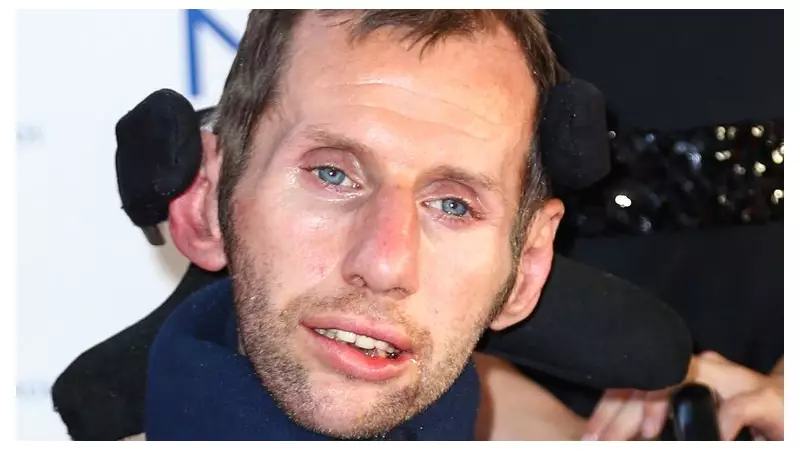
The announcement comes against a backdrop of heightened awareness about MND, largely driven by several high-profile cases within the sporting community. Rugby league star Rob Burrow died last year at age 41, just four years after his 2019 diagnosis. Despite being left unable to speak and confined to a wheelchair, Burrow raised millions for MND research and dramatically increased public understanding of the condition.
Tanya Curry, chief executive of the MND Association, acknowledged Burrow's immense contribution, stating he 'made a huge amount of difference' both in fundraising and campaigning. The rugby community has been particularly affected, with former Scotland international Doddie Weir dying from MND in 2022 at 52, and England's 2003 World Cup winner Lewis Moody announcing his diagnosis just last month.
Scientific Collaboration Brings New Optimism
M102 was developed by researchers at the University of Sheffield's Institute for Translational Neuroscience (Sitran) in collaboration with US biotech company Aclipse Therapeutics. Professor Dame Pamela Shaw, director of Sitran and lead investigator, described MND as 'one of the cruellest diseases' but expressed cautious optimism.
'We are now at a point where scientific understanding is finally catching up,' she stated. 'Our discovery of M102 gives real hope that we can substantially slow the progression of this disease.' The preclinical studies not only showed improvement in movement, gait, and nerve function in mouse models but also demonstrated that M102 protected motor neurones grown in the laboratory from damage caused by MND patient cells.
Dr Richard Mead, senior lecturer in translational neuroscience at Sitran, emphasised the significance of this development, noting that researchers are moving closer to a treatment that can 'truly make a difference' for patients and their families facing this devastating diagnosis.