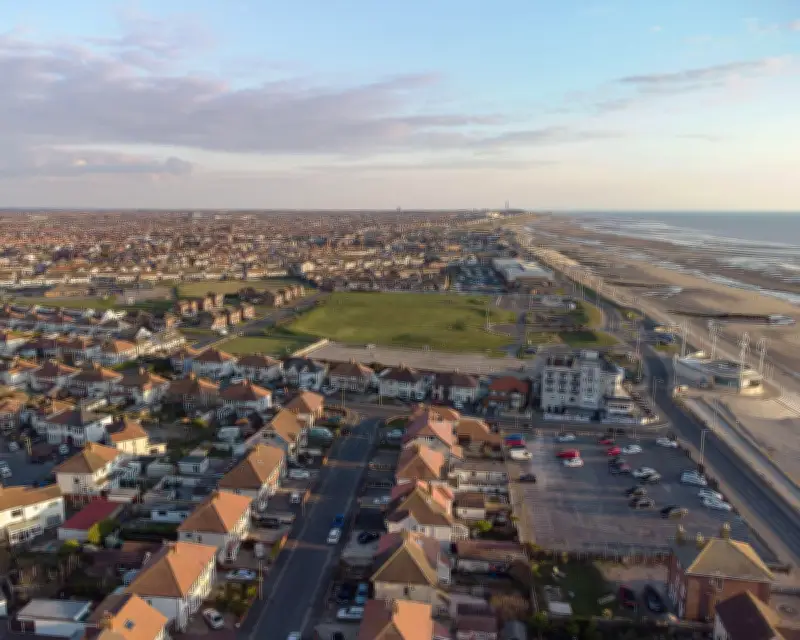
Residents in Thornton-Cleveleys have been advised not to consume fruit, vegetables or eggs produced within 1km of the AGC Chemicals Europe plant, following environmental testing that revealed elevated levels of Pfoa in soil and produce.
Study Findings Questioned
Kidney cancer rates near a Pfas factory in Lancashire have become a major source of concern, as experts cast doubt on the conclusions of a government-funded study. The factory, which emitted the known carcinogenic forever chemical Pfoa between the 1950s and 2012, released an estimated 49 tonnes of the substance. Pfoa, banned globally in 2020, was used by AGC Chemicals Europe to manufacture PTFE for non-stick coatings.
Investigations led by Lancashire County Council, the UK Health Security Agency, and other partners reviewed cancer rates from 2003 to 2022 within a 3-mile radius of the plant. While most cancers showed no higher-than-expected rates, two areas—one southeast of the factory and one north of Blackpool—recorded elevated kidney cancer cases, a disease linked to Pfoa exposure internationally.
Contradictory Conclusions
The multi-agency study concluded that no further cluster investigation was warranted, citing no statistically significant excess of kidney cancer cases or evidence of an environmental association. However, Dr. David Megson, a forensic environmental scientist at Manchester Metropolitan University, described this conclusion as “very contradictory” and suggested it downplays the findings. He noted that the study identified higher-than-expected kidney cancer cases near a factory that released known human carcinogens, calling it “a major source of concern.”
Dr. Dan Middleton, a senior lecturer in environmental cancer epidemiology at Queen’s University Belfast, urged caution in dismissing the findings, emphasizing that kidney cancer is consistently linked to Pfoa exposure. Dr. Tony Fletcher, an epidemiologist at the London School of Hygiene & Tropical Medicine, stated that the small excess in kidney cancer is “entirely consistent with a small increase in risk due to Pfoa exposure.”
Contamination and Legal Action
Following Environment Agency tests, residents have been advised to avoid homegrown produce within 1km of the factory. An allotment on the factory border has been closed and classified as contaminated land. The law firm Leigh Day is investigating potential legal claims against AGC Chemicals Europe and plans to offer blood testing to residents to assess personal exposure levels.
Sarah Moore, a partner at Leigh Day, said the firm will work with experts to fully understand the results. The multi-agency health group maintained that there is no evidence of a kidney cancer cluster or link to environmental contamination. AGC Chemicals Europe did not respond to a request for comment but previously stated that its processes comply with UK and EU regulations and that it takes environmental health responsibilities seriously.