Scientists have discovered a previously unknown material created by the atomic bomb dropped on Hiroshima in 1945, hidden inside tiny grains of fallout. The metal alloy, found in microscopic particles from Hiroshima Bay, formed in the nuclear fireball where temperatures exceeded 7,000°C, vaporising buildings, steel, glass, and soil before cooling in moments. The extreme conditions produced a substance with an atomic structure never before recorded.
Discovery in Hiroshima Bay
Researchers from the University of Florence analysed 34 tiny glassy particles collected from beach sands in Hiroshima Bay, over 80 years after the attack. Using powerful microscopes and X-ray analysis, they searched for unusual materials created during the explosion. One metallic grain, measuring just a few thousandths of a millimetre across, caught their attention. Its chemical ingredients were familiar—iron, chromium, nickel, manganese, molybdenum, silicon, and aluminium, commonly found in stainless steel—but its internal structure matched nothing previously known.
After comparing it with thousands of existing materials, the team concluded it was a new alloy. Writing in the journal Science Advances, they reported: 'We report the discovery of a previously unknown multicomponent alloy recovered from beach sands of Hiroshima Bay, formed during the August 6, 1945 atomic airburst.'
How the alloy formed
The alloy's atoms became locked into a completely new arrangement as the fireball cooled at incredible speed, preventing the metals from forming their usual crystalline structures. This process, known as rapid solidification, can create metastable phases that do not occur under normal conditions on Earth. The discovery demonstrates that nuclear explosions can generate entirely new materials, expanding our understanding of matter under extreme temperatures and pressures.
The team says the findings raise the possibility that other undiscovered materials remain hidden among microscopic debris left by the bombing. Studying these materials could help scientists better understand how matter behaves under the most extreme conditions, with potential applications in materials science and nuclear forensics.
Context: The Hiroshima bombing
The atomic bomb, codenamed 'Little Boy', was the first nuclear weapon used in war. It was released at 8:15am on August 6, 1945, and detonated around 1,900 feet above the city to maximise destruction. The blast unleashed the equivalent of about 15,000 tons of TNT, killing an estimated 60,000 to 80,000 people instantly. By the end of 1945, the death toll had risen to around 140,000 due to burns, injuries, and radiation sickness.
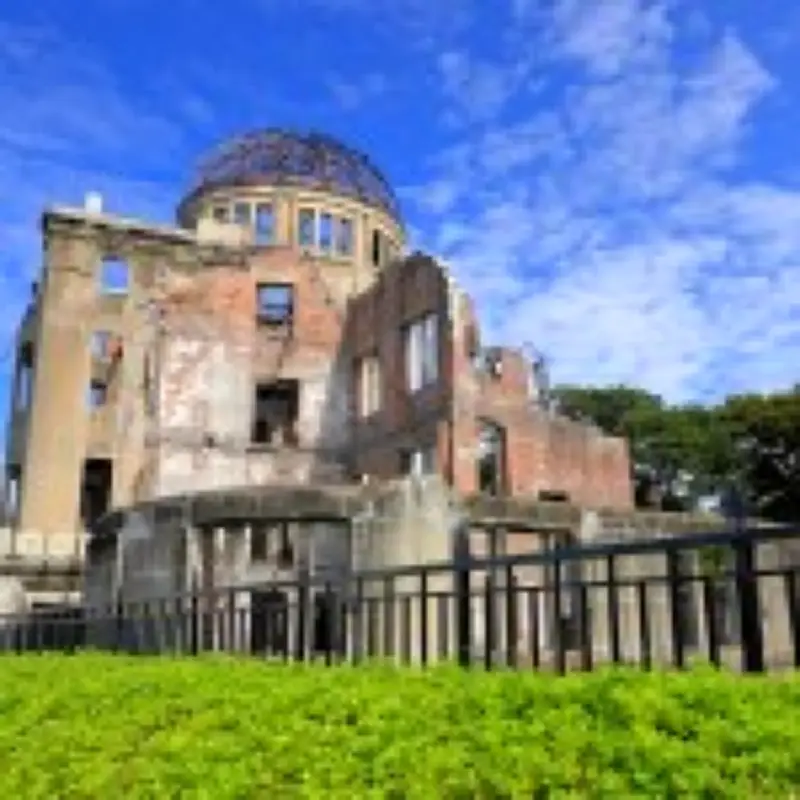
Today, the site is the Hiroshima Peace Memorial Park, designated a UNESCO World Heritage site in 1996. Survivors, now in their twilight years, continue to share their testimonies to ensure the horrors are never repeated. Visitors can now tour the city safely, as radiation levels have returned to normal.