Brain Chip Technology Reaches Critical Milestone in Clinical Trials
More than a decade after researchers demonstrated that deliberate movement could be restored to individuals with paralysis, the field of brain computer interfaces has reached a pivotal moment. Devices designed to "unlock" the minds of those affected are now advancing into the first clinical trials, marking a significant step forward in medical technology.
Pioneering Work Recognized with Prestigious Award
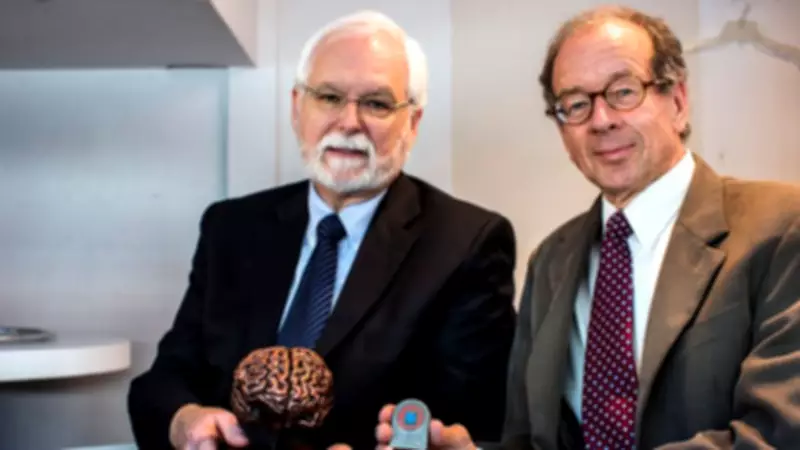
Professor John Donoghue, the neuroscientist who developed BrainGate—the first "brain chip"—at Brown University in Rhode Island, recently shared the Queen Elizabeth Prize, the world's preeminent engineering award. This recognition honors his groundbreaking efforts to create reliable devices that can interpret neural signals from people with paralysis. "If you want to control a computer or restore speech, I think there's no reason why we can't see those advancements as fast as somebody can produce an approved device," said Professor Donoghue.
Overcoming Engineering and Regulatory Hurdles
The focus now is on obtaining medical approval, which requires demonstrating that the benefits of surgically implanting a chip in the brain outweigh the risks. This has led initial human trials to target those with the greatest medical needs, such as individuals paralyzed from the neck down. Companies like Elon Musk's Neuralink, among about a dozen others, are working to commercialize brain computer interfaces based on Professor Donoghue's early research. Their technology involves arrays of electrodes connected to computer chips that detect nerve signals in brain tissue and decode them to restore lost functions.
Historical Breakthroughs and Current Challenges
Professor Donoghue and his team were the first to prove that a brain computer interface could restore deliberate movement to a paralyzed person, debunking earlier skepticism about brain functionality in severe paralysis cases. In experiments, their BrainGate chip allowed volunteers to move cursors on screens, convert thoughts into speech, and control robotic arms. However, translating these demonstrations into safe, long-term implants has posed major engineering challenges. Issues include minimizing infection risks, avoiding brain tissue damage during implantation, and ensuring devices do not overheat, as the brain can only tolerate slight temperature increases.
Future Prospects and Ethical Considerations
With three companies now conducting human trials using different brain chip designs, Professor Donoghue believes the field is rapidly expanding. He predicts that well-funded entities like Neuralink will likely succeed in gaining approval for devices aiding severe paralysis. However, further advancements in restoring speech or vision and ensuring device reliability over a lifetime remain significant hurdles. While current technology is not yet capable of "reading" minds, the potential for unintended thoughts to be detected raises ethical concerns. Professor Donoghue emphasizes the need for robust data protection measures to safeguard individual privacy as these technologies evolve.