
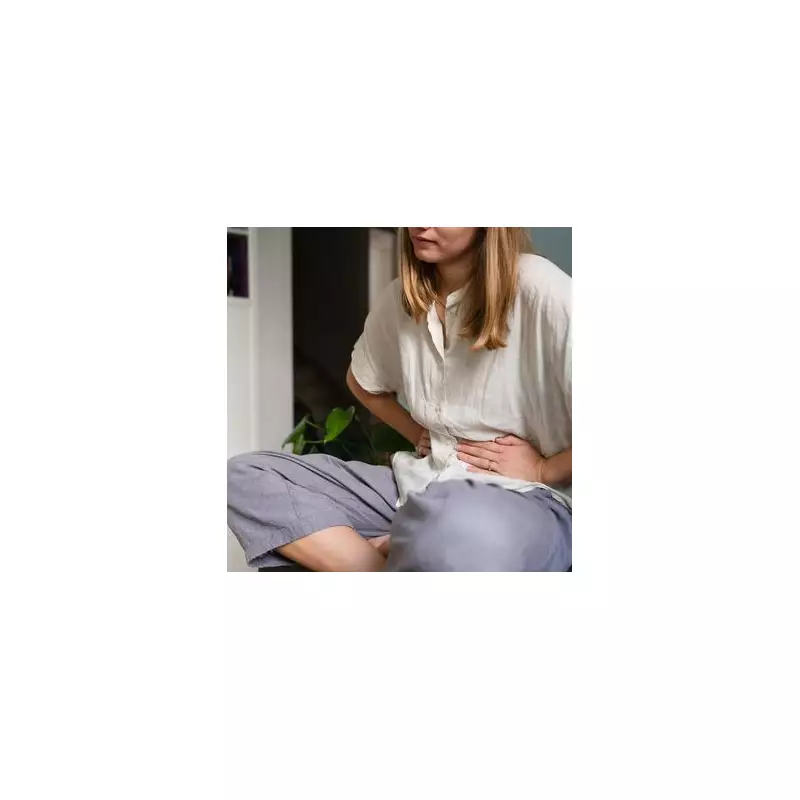
If your first period of the new year feels heavier and more painful than usual, you are certainly not alone. Health experts have identified a clear reason for this common post-Christmas phenomenon, linking it directly to the seasonal changes in our diet and lifestyle.
The Festive Triggers: Alcohol, Food, and Inactivity
According to specialists, the combination of habits typical of the Christmas period is a sure-fire recipe for a more severe menstrual cycle. Increased consumption of rich, fatty, and salty foods, common at Christmas dinners and parties, plays a significant role. Furthermore, alcohol intake tends to rise during the festive season, while physical activity often decreases.
In a detailed blog post, the wellness retailer Holland and Barrett explains how alcohol specifically affects your cycle. They note that even a single glass of wine can exacerbate period symptoms. This is because alcohol acts as a diuretic, causing the body to expel extra fluid and salt through more frequent urination, which can lead to dehydration.
How Dehydration and Diet Worsen Symptoms
This dehydration is not just about thirst; it can amplify the body's perception of pain, making menstrual cramps feel more severe after drinking. Conversely, recent research suggests that increasing water intake may help reduce pain and potentially shorten the period's duration.
Holland and Barrett also highlight the impact of alcohol on mood, suggesting it can increase negative chemicals in the brain while decreasing positive ones. This shift may contribute to PMS-related anxiety, low mood, or even depression.
The effects of festive foods are equally important. Experts from the period tracking app Flo advise steering clear of processed foods high in sodium, such as canned goods and processed meats, as they can worsen bloating and water retention. Sweets and snacks cause a short-term blood sugar spike followed by a crash, leaving you feeling worse and contributing to gas and bloating.
The Role of Exercise in Easing Period Pain
A lack of physical activity over the holidays is another key factor. Studies cited by The Royal Women's Hospital show that women who exercise regularly are less likely to experience severe menstrual pain, cramps, and mood disturbances. The festive slump in activity can therefore directly contribute to a more uncomfortable cycle in January.
In summary, the heavier, more painful periods many experience in January are not a coincidence. They are a direct result of the festive season's trifecta: increased alcohol and rich foods coupled with reduced exercise. Being mindful of these triggers can help in managing symptoms as the new year begins.




