Maternity Ward Closures in Los Angeles Drive Surge in Emergency Room Births
In Los Angeles County, a growing crisis is unfolding as maternity wards continue to shut down, forcing an increasing number of patients to seek birthing care in emergency rooms. This trend, documented from 2016 to 2023, has seen over 26,500 individuals, predominantly from Latino communities, turning to ERs for labour and delivery services. Healthcare professionals warn that this shift poses significant risks to maternal health, particularly for women of colour who face higher rates of complications.
Escalating Pressures on Emergency Departments
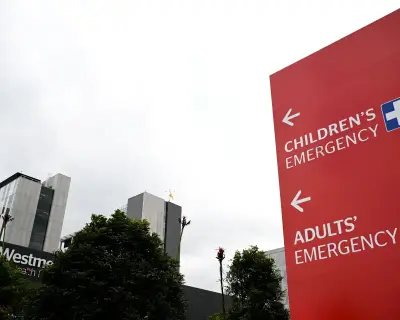
With at least five maternity wards closing since 2023 and a total of 16 since 2014, Los Angeles hospitals are grappling with heightened patient loads. At the Los Angeles General Medical Center, a public teaching hospital in Boyle Heights, more than 1,400 women accessed labour and delivery care through the emergency room between 2016 and 2023. Briah Fischer, a former resident at the hospital, emphasised the ethical dilemma faced by staff: "We don't have the ability to turn patients away. When a patient shows up, we want to take care of them because we know that they often will now have to drive an hour to two hours to the next hospital."
Despite a 26% decrease in births countywide from 2016 to 2023, emergency room visits for birthing care rose by approximately 14%. This discrepancy highlights how closures are outpacing the decline in birth rates, straining ER resources not designed for comprehensive maternity services.
Rising Maternal Morbidity and Racial Disparities
The consequences of these closures are starkly evident in maternal health outcomes. Los Angeles County's severe maternal morbidity rate reached 122.1 per 10,000 deliveries in 2023, exceeding the state average. Black women are disproportionately affected, with a rate of 193.5 morbidities per 10,000 deliveries from 2021 to 2023, followed by Asian/Pacific Islander and Hispanic patients. Sigita Cahoon, vice-chief of obstetrics and gynecology at Los Angeles General Medical Center, noted an influx of complex pregnancies, including cases of high blood pressure and placenta accreta, complicating care in emergency settings.
Angela Ocampo, contributor to the 2025 California Equity in Maternal Health Report, pointed out that post-natal care often falters in ERs, leaving women without adequate follow-up. "There's really no follow-up at home or system in place to follow and care for these women and their children afterwards," she explained.
Systemic Challenges and Advocacy Efforts
The closure of maternity wards is driven by financial pressures, including high operational costs and low Medi-Cal reimbursement rates, which cover nearly 40% of California births. David Pisani of March of Dimes expressed concern over undocumented patients avoiding care due to fear of detention, potentially worsening mortality rates. Meanwhile, federal Medicaid cuts under the Trump administration's "Big Beautiful Bill" threaten to exacerbate the crisis.
In response, advocates like Mashariki Kudumu, founder of the California Black Birth Equity Summit, stress the need for improved prenatal care in communities of colour. State Senator Akilah Weber Pierson has pushed for legislative measures, such as requiring hospitals to notify the state of potential closures, though some bills have been vetoed or stalled.
Innovative Solutions and Future Outlook
Some hospitals are adopting unique approaches to mitigate the impact. Martin Luther King Jr Community Hospital in south Los Angeles has integrated midwives into its staff, providing 24/7 support to ensure personalised, holistic care. Despite financial hardships, the hospital opened a prenatal care clinic in 2023 to expand access. However, such initiatives remain rare, and broader systemic changes are needed.
As Laila Al-Marayati, an associate professor at USC's Keck School of Medicine, questioned: "Are we OK with the maternal mortality rate increasing in the United States because women don't have access to good care?" With urban areas nationwide experiencing similar trends, the urgency for investment in maternal healthcare infrastructure is clear to prevent further deterioration in outcomes for vulnerable populations.