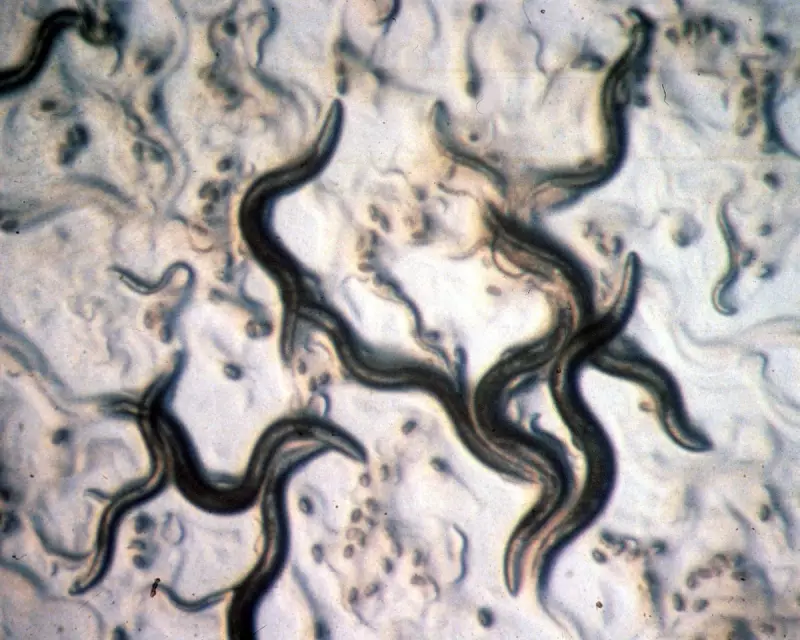
Social media is awash with influencers and self-styled 'holistic' experts promoting expensive 'parasite cleanses' as a cure-all for everything from sleep issues to skin problems. The trend gained notable attention when supermodel Heidi Klum revealed last August that she and her husband were embarking on a worm and parasite detox.
The Dubious Science Behind the Trend
Searching for "parasite cleanse" on platforms like TikTok or Instagram yields a flood of content promoting herbal supplements and restrictive diets. These regimens often involve ingredients like anise, clove, and wormwood, promising to detoxify the body of harmful organisms.
However, medical and nutritional authorities are unequivocal in their dismissal. "There is no solid clinical evidence behind them," emphasised Caroline Susie, a spokesperson for the Academy of Nutrition and Dietetics, in correspondence. Dr William A Petri, a professor of infectious diseases at the University of Virginia, concurs, stating plainly: "There is no evidence that these parasite cleanses are either effective or needed."

Experts warn that these at-home cleanses carry real risks. The supplements are not regulated, and some herbs can interact dangerously with medications or be toxic in high doses. The accompanying restrictive diets can also lead to nutrient deficiencies.
Understanding Real Parasitic Infections
Parasites are organisms that live on or in a host, deriving nutrients at the host's expense. According to Beth Czerwony, a dietitian at the Cleveland Clinic, common transmission methods include ingesting contaminated food or water, direct contact with infected faeces, or, in the case of hookworm, skin penetration from contaminated soil.
In the UK and US, the most frequent intestinal parasites are giardiasis and cryptosporidiosis, typically spread through faecally contaminated food or water. A 2023 World Health Organization report indicates nearly 25% of the global population has a worm-related infection. However, these are overwhelmingly concentrated in the world's poorest communities lacking clean water and sanitation.
"Having intestinal parasites is less common in places with good sanitation," notes Czerwony. Symptoms of a genuine infection can include diarrhoea, stomach pain, unexplained weight loss, and visible worms in stool.
How to Handle Suspected Infections Properly
The advice from professionals is clear and consistent: do not self-treat. "If you think you may have a parasite, it is important to contact a medical professional," Czerwony advises. Diagnosis usually involves stool or blood tests, and treatment, if required, involves prescription antiparasitic or antibiotic medications.
As for Heidi Klum's cleanse? The model herself seemed uncertain of the results, telling People magazine in November: "I don't even know if anything happened!" For the vast majority in the UK, experts insist that money spent on unproven cleanses is better invested in a nutrient-rich diet and consulting a qualified GP for any health concerns.