
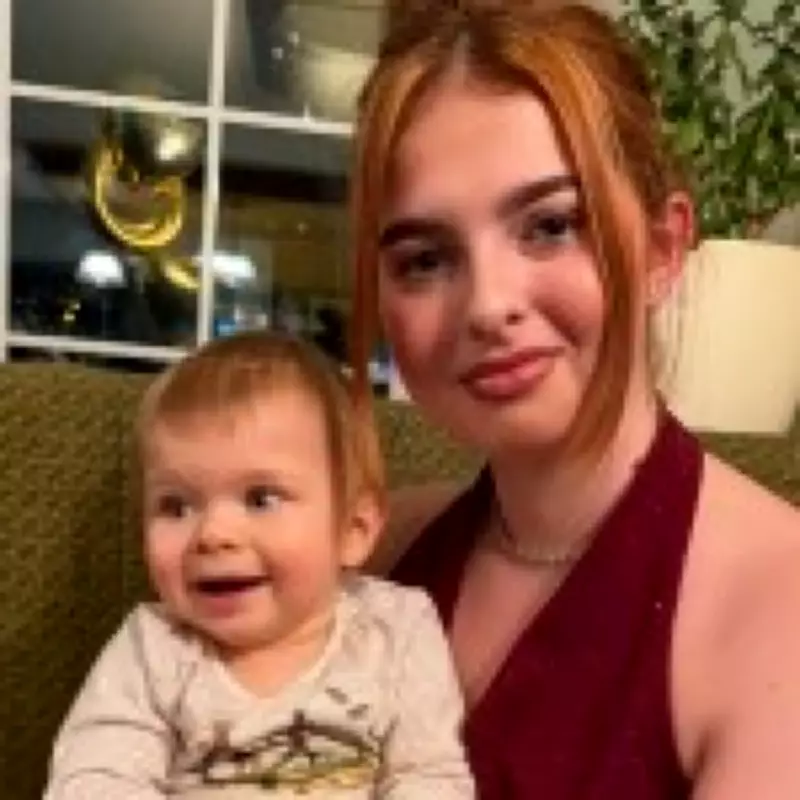
Young Same-Sex Couple's IVF Journey: Overcoming Medical Bias at Age 19
In January 2023, Eloise Milewski and her partner Marli sat in a doctor's office, filled with anticipation about beginning their IVF journey to parenthood. Their excitement quickly turned to disappointment when faced with a male doctor who appeared visibly uncomfortable with two 19-year-old women wanting children.
The doctor struggled to make eye contact and stumbled over basic terms like 'couple' and 'partners,' before dismissively suggesting they would likely wait years due to their age. This initial encounter proved to be a stark reminder that despite societal progress, young same-sex couples still face significant barriers in healthcare settings.
A Journey Marked by Determination
Despite this discouraging start, Eloise and Marli refused to be deterred. They had been seriously discussing having children since they were 17 and 18, and their commitment to building a family remained unwavering. The dismissive reaction they received actually strengthened their resolve, leading them to formalize their relationship with a civil partnership later in 2023 when they were 20.
"We thought society had progressed more," Eloise reflects. "It felt like, because we were young and in a same-sex relationship, it was hard enough to be taken seriously."
Their persistence paid off when they found another clinic with a warm, supportive female doctor. This marked a turning point in their journey, as every medical professional they encountered afterward provided the compassionate care they deserved.
Medical Challenges and Personal Triumphs
The couple's path to parenthood involved numerous medical hurdles:
- Discovery of a blocked fallopian tube during initial testing
- Previous endometriosis surgery and painful menstrual history
- Extensive counseling sessions and medical procedures
- Multiple rounds of injections, tests, and scans
- An emotionally intense and expensive process
Originally planning for artificial insemination via sperm donation, they shifted to IVF after discovering Eloise's fertility challenges. Their eligibility for NHS funding provided crucial financial relief, allowing them to focus on their dream of having a baby without the overwhelming burden of costs.
Emotional Highs and Devastating Lows
Eloise became pregnant in August 2024 during her second round of fertilization. The pregnancy initially progressed well until a traumatic event at 12 weeks when heavy bleeding led to a hospital visit. There, they received shocking news: Eloise had been carrying identical twins, but one was not viable.
"It was indescribably sad," Eloise remembers. "I will never forget the sense of loss. And I was overwhelmingly grateful when I gave birth to a safe and healthy Freddie."
Sharing Their Story Publicly
Throughout their journey, Eloise documented their experiences on social media, creating a space to share:
- Bump updates and pregnancy symptoms
- Struggles with hyperemesis gravidarum
- The IVF process in detail
- Both the painful setbacks and joyful moments
While most responses were positive, they also faced criticism from people questioning their age and making comments about their child "needing a father." Despite these negative reactions, the couple remained steadfast in their choices and commitment to each other.
Looking Toward the Future
Now 22 years old, Eloise has recently graduated from university and plans to try for another implantation soon. Though they are no longer eligible for free NHS IVF, they have preserved fertilized eggs from previous cycles, reducing future costs. The couple has also planned their wedding for early next year and dreams of building a large family, ideally with four children.
Their experience has inspired Eloise to help other families facing similar challenges. She plans to donate any remaining embryos to couples in need when she turns 40, paying forward the opportunity they were given.
"Being a young same-sex couple hasn't always made our journey easy," Eloise concludes. "But every challenge has only made us stronger. We may be young, but we show every day that age, gender or sexuality don't define your ability to be great parents. It is time for the medical community, and society, to catch up with the times."




