
Top 25 Signs You're Getting Older: From Socks to Groans
New research has unveiled the definitive list of indicators that signal the transition into older age, with sitting down to put on socks and groaning when bending down among the most common signs. A comprehensive study involving 5,000 adults aged over 40 reveals that subtle shifts in behavior and preferences often mark the beginning of feeling "old."
Key Findings from the Aging Study
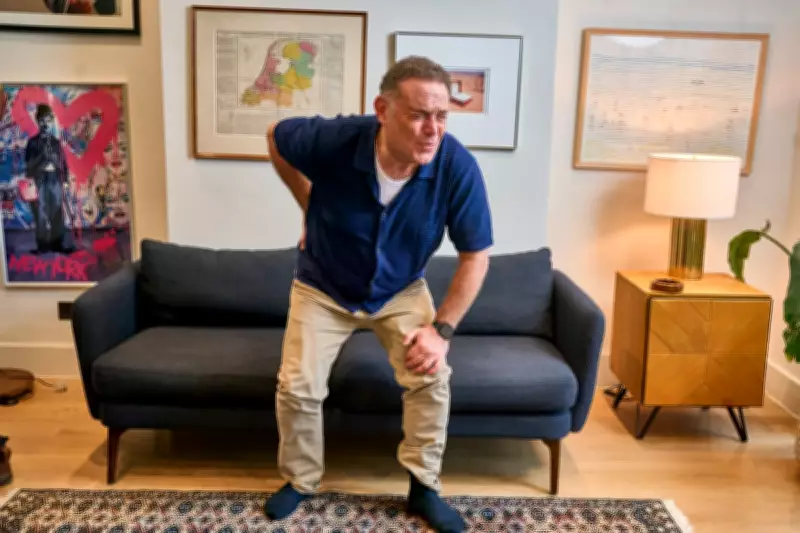
The survey, commissioned by American Pistachio Growers, found that a third of respondents (33 percent) first realized they were no longer young when they began to notice an audible groan while bending down. Other prominent signs include preferring a quiet drink over a night out (39 percent), caring less about the latest fashion trends (35 percent), and experiencing a recurring ache that does not disappear (34 percent).
Interestingly, 50 years old emerged as the average age when individuals start to feel they are no longer young. However, 38 percent of participants believe that being old is now associated with reaching your 80s rather than your 50s or 60s, reflecting changing perceptions of aging in modern society.
Embracing Aging with Positive Habits
Despite these signs, many are proactively adopting habits to maintain youthfulness. Thirty-six percent of those surveyed have incorporated lifestyle changes, such as taking vitamins or supplements, choosing healthier snacks (19 percent), and increasing protein intake (17 percent). The research highlights a growing focus on health, with 60 percent of men and 61 percent of women reporting they are now more health-conscious.
British actor and comedian John Thomson, partnering with American Pistachio Growers, emphasizes the importance of a positive outlook. "Getting older is inevitable, but you can still live life to the full," he said. "It's about embracing experience, having a laugh about the realities of ageing and making small changes that actually make a difference."
Comfort and Confidence in Later Years
The study also reveals that only 36 percent of respondents actually feel old, with 27 percent feeling more comfortable in their skin now than when they were younger. Additionally, 18 percent of those over thirty feel more satisfied with their life currently than in their earlier decades.
Daily priorities have shifted for many, with 39 percent prioritizing comfort over fashion, 34 percent enjoying walks, and 19 percent finding pleasure in gardening or DIY projects. Key motivations for healthy living include avoiding illness (59 percent), staying active (58 percent), and maintaining independence with age (47 percent).
Expert Insights on Healthy Aging
TV nutritionist Rob Hobson, collaborating with American Pistachio Growers, advises that aging is not about slowing down but making smarter choices. "Simple habits like eating nutrient-rich snacks, staying active and prioritising sleep can help you feel youthful for longer," he noted. "Age is just a number, but how you fuel your body makes all the difference."
Suzanne Devereaux-McKinstrie, spokesperson for the non-profit organization, added: "Getting older isn't just about limitations, it's about opportunities. It's the perfect time to explore new hobbies, prioritise wellbeing and celebrate the confidence that comes with experience."
The Full List of Aging Indicators
- Talking about aches and pains with friends
- Groaning when bending down
- Preferring quiet venues to noisy ones
- Preferring a quiet drink over a night out
- Enjoying an early night
- Not caring about the latest fashion trends
- Thinking that new music isn't as good as it used to be
- A recurring ache that doesn't disappear
- Using phrases like 'back in my day' or 'remember when...?'
- Sitting down to put socks on
- Caring less about how you look
- Taking shoes off as soon as you get inside - slippers have become a necessity!
- Noticing something you wore in your youth is now back in fashion
- Starting conversations with 'Do you remember when...?'
- Reading menus at arm's length
- Talking to yourself
- Moaning about politics
- Feeling more confident or self-assured
- Getting up at 6am naturally
- First "Who?" when watching the Brit Awards
- Looking forward to gardening
- Feeling confounded by AI
- Listening to the radio or podcasts instead of club music
- Getting excited about new home appliances
- Checking the weather forecast hourly
This research underscores that aging is a multifaceted experience, blending physical changes with evolving preferences and a renewed focus on health and well-being. By embracing these shifts and making simple lifestyle adjustments, individuals can navigate the later years with vitality and positivity.




