
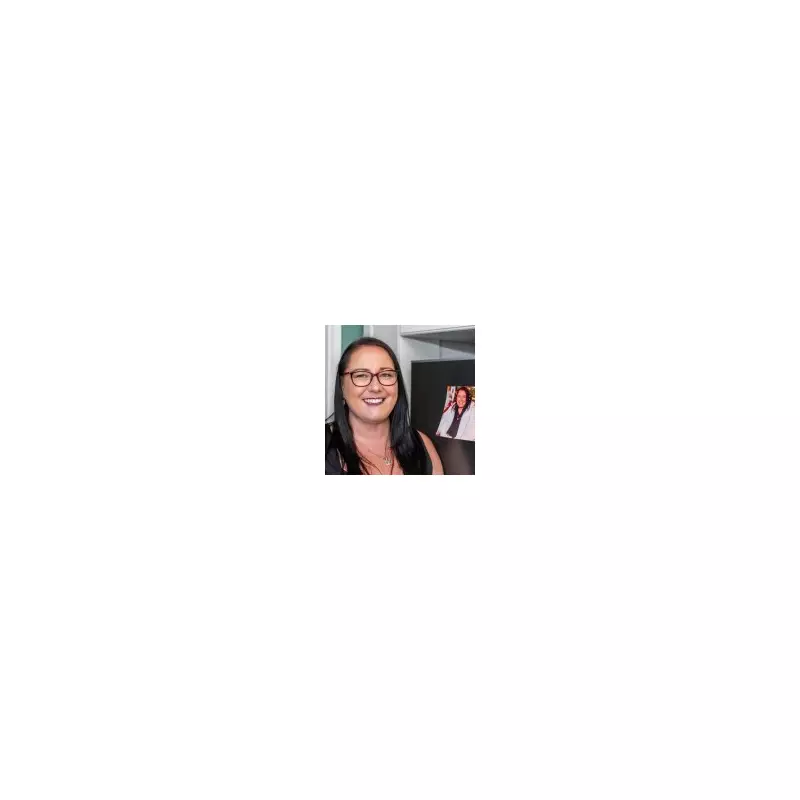
A woman who was once in such agony she couldn't look in the mirror has been hailed as the 'poster girl for Ozempic' after a life-changing transformation, and she now wants to warn others about the common error people make with the medication.
From Chronic Pain to a New Beginning
Aisling McCarthy, 43, from Cork, saw her life upended in her early thirties after being diagnosed with arthritis and fibromyalgia. The searing pain that shot through her back, hips, and hands left her depressed and exhausted. "It felt like my whole body was on fire," she recalls. To cope, she turned to food, consuming toffee popcorn, chocolate, and ice cream, which led to significant weight gain and a loss of mobility.
By the time she was pregnant with her daughter Bethany in 2014, she often needed crutches or a wheelchair. After the birth, she weighed 17.5 stone and struggled to lift her newborn. Determined to get healthy, she tried "every diet under the sun," including Slimming World and Slimfast, but any success was fleeting. "I gained it all back because I was starving," she admits.
The Ozempic Journey: A Tool, Not a Quick Fix
In early 2022, her GP mentioned Ozempic (semaglutide). The drug had only been approved by the European Medicines Agency for weight loss in November 2021. Anxious about injecting something relatively unknown for this purpose, Aisling contacted the manufacturer, Novo Nordisk, to understand how the GLP-1 mimicking drug works to regulate appetite.
She began with a weekly 0.25mg dose, increasing it over several months. The start was tough, with nausea and fatigue for six weeks. She realised the medication was so effective at silencing 'food noise' that she was barely eating. "I started setting an alarm every two hours to remind myself to have some food," she explains.
The results were profound. The weight dropped off, her energy soared, and her confidence returned, improving even her relationship with her husband, Jonathan. Within a year, she reached her goal weight of 11 stone.
The Critical Mistake: Why 'Weaning Off' is Essential
Aisling decided to stop Ozempic in 2023, partly due to supply shortages. It is here she identifies the key mistake many make. "Weaning off made the difference. I tell everyone not to go cold turkey," she stresses. This approach, she believes, is why she has bucked the trend identified by University of Oxford research, which found people often regain weight within a year of stopping.
She gradually reduced her dosage, allowing her to maintain smaller portions and limit sweets. Crucially, she emphasises the drug must be paired with mental work. "Some people are looking for a quick fix, rather than a tool... You have to work on your mind as well as your stomach."
Since stopping, she has undergone surgery to remove loose skin and now weighs 10st 9lbs. Her arthritis and fibromyalgia flare-ups have significantly reduced, lessening her reliance on other NHS services.
Aisling also addresses the stigma, noting "a lot of bias and fat phobia" from those who don't understand the struggle. Despite the life-changing benefits—including being able to take a solo holiday with her daughter—she cautions that Ozempic is not a first resort. "It shouldn't be people's first choice... but if they do go ahead, then they shouldn't feel any shame."
Her story emerges as the NHS rolls out a wider prescribing programme for weight loss injections like Wegovy and Mounjaro, aiming to reach 220,000 people over three years. While these drugs can have side effects like nausea and, rarely, pancreatitis, for Aisling, the calculus was clear: "Ozempic genuinely changed my life, so I have no regrets."




