
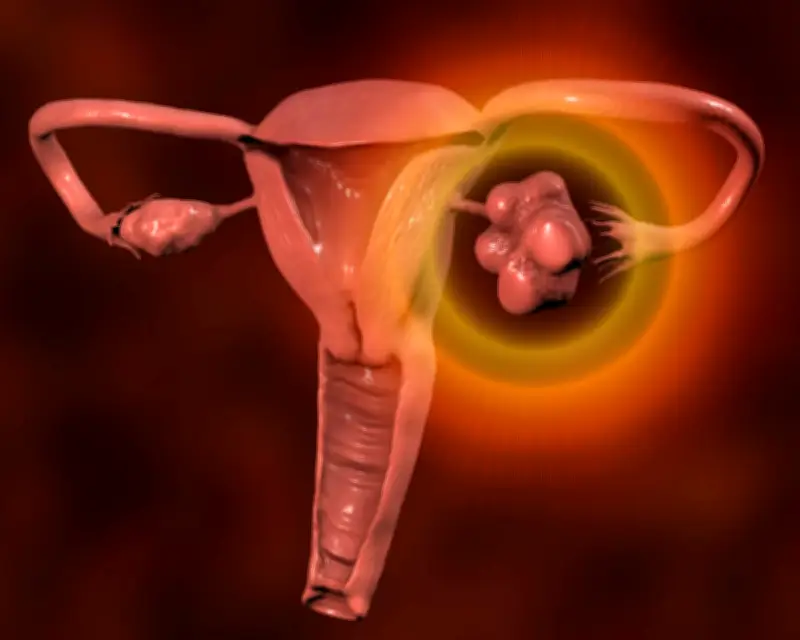
The National Institute for Health and Care Excellence (Nice) has issued new draft guidance recommending that up to 4 million women with irregular periods be investigated for polyendocrine metabolic ovarian syndrome (PMOS), previously known as polycystic ovarian syndrome. PMOS is believed to affect up to 13% of women of reproductive age globally, according to the World Health Organization.
Symptoms and Risks
Symptoms include irregular, very short, long, or absent periods, excess levels of testosterone, and ovaries with multiple small follicles. The condition is associated with an increased risk of developing type 2 diabetes, cardiovascular disease, sleep apnoea, fatty liver disease, mental health issues, and complications in pregnancy. Despite affecting an estimated 3 to 4 million women in the UK, Nice states that PMOS is “frequently underdiagnosed and inconsistently managed”.
Guidance Details
The draft guidance covers girls aged over 10, as well as adult women, trans men, and non-binary people not receiving gender reassignment therapy or surgery. Patients with suspected PMOS should be offered blood tests, including male and female hormone levels, and in some cases ultrasounds. PMOS should not be discounted in women who have undergone menopause or those with eating disorders, which disproportionately affect people with PMOS. The guidance also notes that PMOS can be more prevalent among black, Asian, and mixed ethnicity women, and healthcare professionals should consider this when assessing symptoms.
Annual Reviews and Treatments
Once diagnosed, individuals with PMOS should have an annual review to monitor symptoms such as menstrual irregularities and excess hair growth. The review should also address cardiovascular health, diabetes, obesity, mental health care, and other associated risks. The guidance states that IVF should be offered to women with PMOS who meet standard Nice criteria. However, laser hair removal or light therapies for excess hair growth should not be offered, as analysis suggests they are not cost-effective. Nice estimates that offering such treatments would cost the NHS up to £100 million per year in England.
Expert Reactions
Marieanne Ledingham, consultant clinical advisor for women’s and reproductive health at Nice, said: “PMOS is a common but often overlooked condition that can have a major impact on health and wellbeing. Recommending a simple annual review is an important step towards ensuring people get the ongoing care and monitoring they need.”
Dr Rachel Reid-McCann, a researcher at Oxford University, commented: “Not only can irregular periods be burdensome in the short term, but they have also been associated with longer-term chronic health and reproductive outcomes, making prompt investigation important. A PMOS diagnosis in those with irregular periods can open up access to treatment, support and advice that can help improve symptoms and may also reduce longer-term health risks. The key challenge will be ensuring NHS services have the resources needed to implement these recommendations and doing so consistently across the UK.”
Janet Lindsay, chief executive of Wellbeing of Women, said: “For too long, women with [PMOS] have faced delays in diagnosis and inconsistent care. Too often, symptoms such as irregular periods, fertility difficulties or concerns about weight have been dismissed as something they must simply live with. Wellbeing of Women welcomes these draft Nice guidelines, recognising [PMOS] as a complex, lifelong condition that can affect reproductive health, mental wellbeing and long-term health outcomes. The recommendation for regular review is an important step towards ensuring women receive the ongoing support, monitoring and information they need throughout their lives. It is particularly encouraging to see the guideline acknowledge the inequalities that persist in diagnosis and care. Women from black, Asian and other minoritised communities can face additional barriers to investigation and diagnosis, and tackling these disparities is essential if everyone is to receive timely, evidence-based care.”
Next Steps
The draft guidance is based on the international evidence-based guideline produced by Monash University and used by more than 100 countries. Consultation on the draft guidelines is open until 11 August 2026, with final guidelines expected in December 2026.




