
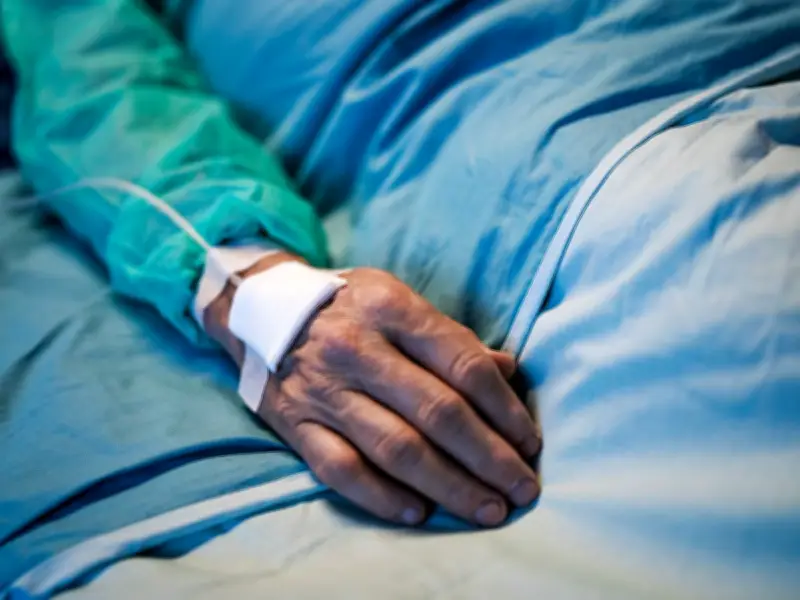
Lewisham and Greenwich NHS Trust has apologised to the family of a cancer patient discharged from hospital without medication to treat his severe pain, after the Local Government & Social Care Ombudsman found fault with the trust's handling of the case.
The man, anonymised as Mr C in the Ombudsman report, was diagnosed with cancer and several other long-term health conditions. He had a cancerous tumour on his left collarbone that caused pain and made breathing more difficult.
Hospital admission and discharge
On 29 August 2023, Mr C suffered a fall at home and was complaining of chest pains. An ambulance took him to hospital, where he was admitted that evening. The report does not specify which of the trust's hospitals—University Hospital Lewisham or Queen Elizabeth Hospital in Woolwich—cared for him.
In mid-September, doctors met with Mr C's family, who said they felt kept in the dark about his care. Notes show clinicians discussed Mr C's prognosis, noting his cancer was advanced and had spread to his bones and other organs. The notes recorded that “it was likely [Mr C] was approaching the last weeks/months of his life” and that he was not suitable for cancer treatment due to his overall frailty.
Continuing Healthcare fast track dispute
Mr C's daughters met with the hospital's discharge coordinator several times in late September, pushing for their father to be placed on the Continuing Healthcare (CHC) fast track, which they said a doctor had told them he was eligible for. CHC is a package of ongoing care funded by the NHS for those with a 'primary health need'. The threshold for the CHC checklist is low, allowing care arrangements without delay.
The discharge coordinator repeatedly said Mr C did not meet the criteria for the CHC fast track. The Ombudsman found fault with how the trust failed to adequately record and explain this decision, causing the family “unnecessary confusion and frustration”. This was exacerbated when Mr C was eventually placed on the fast track in early November.
Discharge without necessary medication
Mr C was discharged on 29 September. The trust made a referral to Bexley Council, which arranged a carer to visit four times a day. The family expressed concerns he would not cope alone. A social worker contacted Mr C's daughter, Mrs B, on 9 October, and discussed her concerns. Mrs B said Mr C had not been referred to the palliative care team and had been discharged without needed medication.
On 13 October, the social worker assessed Mr C and found he needed long-term support. They arranged an increased care package, noted he was under palliative care, and recorded that Mr C “has not been fast tracked but his prognosis is less than a year”. On 23 October, Bexley Council completed a CHC checklist, and on 3 November, the Integrated Care Board (ICB) found Mr C suitable for the CHC fast track, assuming responsibility for his care.
Ombudsman's findings and trust apology
The Ombudsman found fault in how Mr C's family did not have his prognosis fully explained until after discharge, despite multiple meetings. The trust was also criticised for the discharge summary sent to Mr C's GP, which made no mention of a palliative care referral, forcing Mrs B to arrange it herself. The summary stated Mr C had been prescribed opioid medication and paracetamol for severe pain, but he was discharged only with paracetamol; Mrs B had to arrange the correct prescription through the GP.
Mrs B also complained that carers were “inadequately trained and inexperienced”, but the Ombudsman found no evidence of poor care in the limited records available.
A Lewisham and Greenwich NHS Trust spokesperson said: “We accept the findings of the Ombudsman and fully recognise the impact this situation had on this family at an already extremely difficult time. We are working through the identified improvements and will provide evidence that they have been completed as soon as possible. We have written to the family to offer our sincere apologies for the additional distress caused and are committed to ensuring that the lessons from this case lead to meaningful and sustained improvements in our practice.”
The Ombudsman ordered the trust to pay Mrs B £500 and carry out staff training to prevent a similar incident.




