
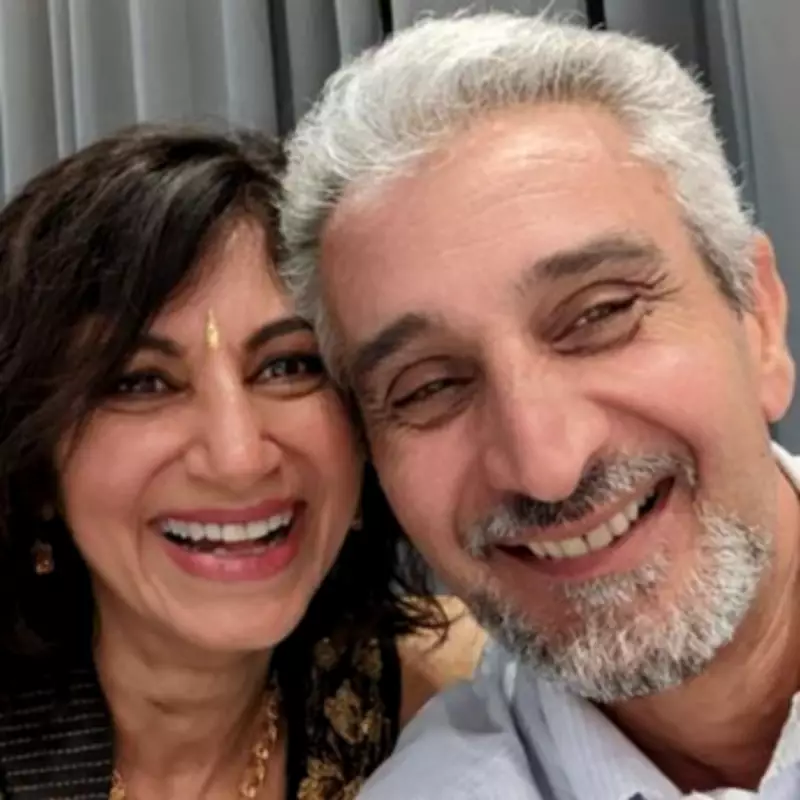
A Mother's Seven-Year Nightmare: From Forgetting Sons' Names to Menopause Diagnosis
Meera Mehat, a 59-year-old mother from Maidenhead, Berkshire, endured seven terrifying years believing she had early-onset dementia after experiencing severe memory loss and cognitive decline. Her journey began at age 49 when she first noticed difficulties recalling words during work presentations, eventually culminating in forgetting all three of her sons' names while introducing them to others.
The Descent Into Cognitive Confusion
Initially attributing her symptoms to work-related stress, Meera's concerns escalated dramatically when her memory lapses extended beyond the workplace. The mother-of-three described forgetting her son Alekh's birthday completely, realizing only when a family member called that she had neither purchased presents nor arranged any celebration. She even called one of her sons by her dog's name on occasion, highlighting the severity of her cognitive struggles.
"I became a moron," Meera confessed about this period. "I stopped working and stopped going out - it became too much effort to even think." Her social withdrawal extended to avoiding conversations with friends, as she struggled to complete sentences or remember what she was discussing mid-story.
Medical Maze and Misdiagnosis
After fearing dementia and visiting her doctor, Meera underwent multiple brain scans that returned completely normal results. Medical professionals reassured her that her symptoms were simply signs of normal aging, leaving her feeling increasingly isolated and confused. She burst into tears on her 50th birthday, too frightened by her cognitive decline to celebrate, while doctors told her the issues would "resolve themselves."
At home, she forgot recipes she had been preparing for her family for years and spent evenings watching television, worrying her supportive husband Narb, 63. Her 2021 MRI scan showed nothing abnormal, which she found particularly terrifying. "That terrified me even more," she recalled. "I was thinking, am I getting dementia? Am I hallucinating? Am I going mad?"
The Turning Point: Menopause Revelation
Seven years after her symptoms began, someone recommended Meera visit a private doctor who finally suggested her difficulties might be related to menopause. This diagnosis came as a revelation after years of uncertainty and fear. The doctor prescribed a comprehensive treatment plan including:
- A hormone-friendly diet eliminating sugar and gluten with minimal dairy
- Increased protein intake
- Various supplements including oestrogen and magnesium
- An exercise regimen incorporating walking, strength training, and stretching
- Mandatory relaxation activities including meditation
Remarkable Recovery and New Purpose
Following this new regimen for just three months, Meera noticed dramatic improvements in her cognitive function. She began hormone replacement therapy (HRT) and continued to recover, eventually returning to near-normal cognitive abilities. She has since become a menopause educator, determined to help other women avoid similar prolonged suffering.
"I'm pretty much back to normal now - and I'm not scared to go out and meet people any more," Meera reported. "Education is getting better, but it's still vague around menopause. But there are studies to show brain fog is real and it's miserable."
Creating Solutions for Others
Drawing from her experience, Meera developed an app called Menopause Meditation, which recently won the 'Best Menopause Cognitive Health Solution' award at the Menopause In Practice awards. She emphasizes that while HRT can be beneficial, additional lifestyle changes are crucial for managing menopausal symptoms effectively.
With 75-80% of menopausal women still in the workforce according to the NHS Faculty of Occupational Medicine, Meera highlights the growing importance of addressing these issues. "It's becoming more of an issue now because we're an aging population, women are having children later, and they're also stepping up getting more senior roles at work," she explained.
Her mission now focuses on empowering other women who might be experiencing similar symptoms without understanding their cause. "I'd like to empower others - half the issue is the stress of it and wondering if you're going mad," she concluded, reflecting on her seven-year journey from fear to understanding and recovery.




