Rapid health and wellness test kits are increasingly available in Australian pharmacies, promising quick results for conditions like perimenopause, iron deficiency, and vitamin D levels. These over-the-counter options, ranging from $5 to $30, offer a discreet and convenient alternative to doctor visits, but experts warn that many are far less accurate than laboratory tests.
The Rise of Self-Testing Kits
Patti Shih, a senior lecturer in public health at the University of Wollongong, notes that hundreds of self-testing kits are on the market. Some provide results in minutes, while others require sending samples to labs. Shih acknowledges upsides, such as helping individuals with social or geographical barriers to healthcare access, but emphasizes a significant caveat: most home kits are not as accurate as lab tests, leading to higher risks of false positives or negatives.
Perimenopause Tests: A Controversial Tool
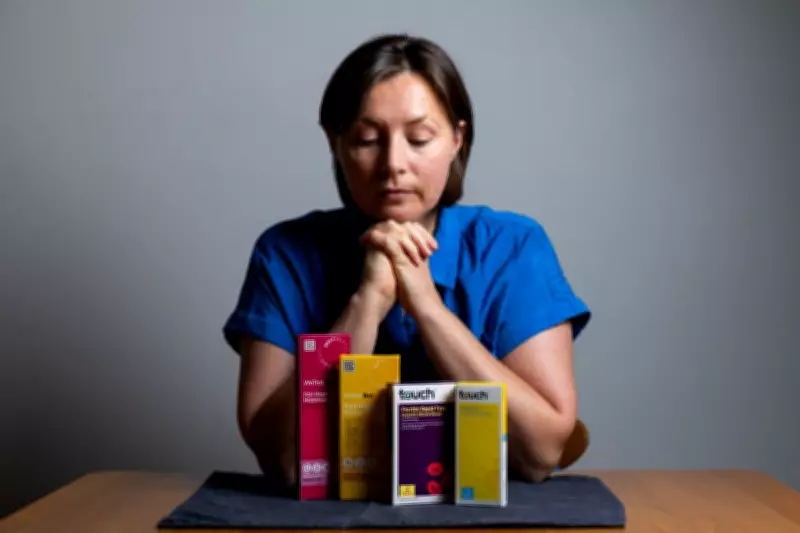
Prof Martha Hickey, director of the Women's Gynaecology Research Centre in Melbourne, states that urine tests for follicle-stimulating hormone (FSH) cannot reliably predict perimenopause due to hormonal fluctuations. Despite this, products like those from We Test Bio market FSH tests as indicators of changing hormone levels. TerryWhite Chemmart positions these tests as starting points for discussions with healthcare professionals, but Hickey argues they may cause unnecessary fear without providing useful information.

Iron and Vitamin D Pinprick Tests
Finger-prick blood tests for ferritin and vitamin D, such as those from TouchBio, offer results in 10 minutes. Mazz Gencer, TouchBio's general manager, describes them as preliminary screening tools regulated by the Therapeutic Goods Administration. However, Shih cautions that focusing on single biomarkers can overlook broader health issues and may drive unnecessary supplement purchases. She advises consulting a doctor first for symptoms rather than relying on these tests.
Multi-Health Tests and Broader Concerns
Multi-health tests, like We Test Bio's urine strip test for 11 parameters, claim to support early detection. Shih warns that false results could lead to incorrect treatment pathways, especially for conditions like urinary tract infections. She calls for clearer product labeling and guidance on when tests are necessary. The wellness industry's push for optimization has led to an over-commercialized self-testing ecosystem, raising questions about consumer empowerment versus confusion.
In summary, while home health test kits offer accessibility and privacy, their accuracy limitations highlight the importance of professional medical consultation for reliable diagnosis and treatment.