
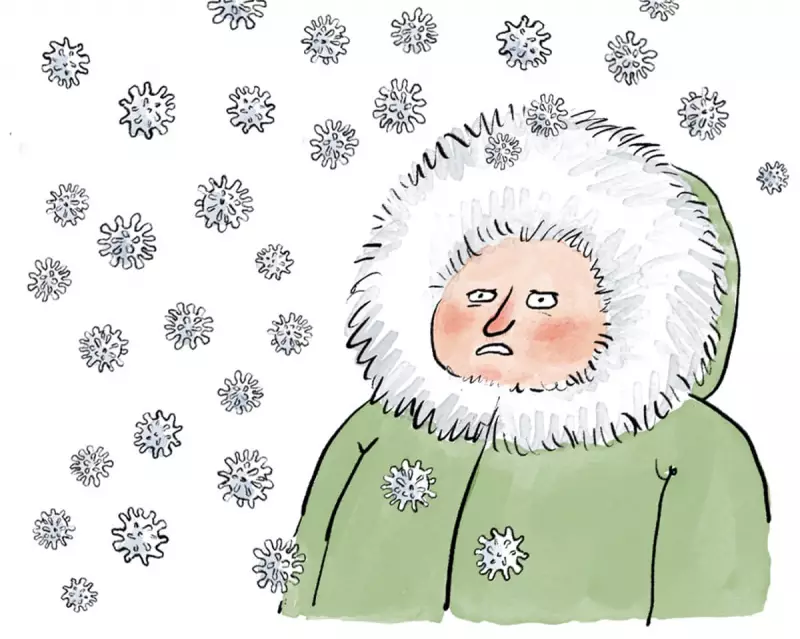
As the temperature drops and winter sets in, the age-old warning echoes: "Wrap up warm or you'll catch a cold." But is there any scientific truth to the belief that braving the chill makes you more susceptible to sniffles and sneezes? According to experts, the reality is more nuanced than this popular myth suggests.
The Real Driver: Human Behaviour, Not Temperature
While respiratory infections like the common cold are indeed more prevalent during the colder months, the link is largely correlational, not directly causal. Professor John Tregoning, an expert in vaccine immunology at Imperial College London, clarifies that the primary reason is our behaviour. In winter, we tend to spend more time indoors, often in poorly ventilated spaces and in closer contact with other people, which creates the perfect environment for viruses to spread.
"Colds are more common in the winter, but it's almost certainly correlation, not causation," states Tregoning, who is also the author of a book on wellness. He points out that different viruses peak at different times. For instance, rhinovirus often spikes when children return to school, mixing in classrooms. Another virus, RSV, which can be serious for the elderly and babies, typically peaks around the new year.
What Role Does Cold Air Actually Play?
Although behaviour is the main factor, cold weather itself isn't entirely blameless. There are marginal effects that can influence viral spread and our defences. For example, UV light from the sun in summer can help deactivate viral droplets outdoors, and they may evaporate faster. In contrast, studies indicate that rhinoviruses can replicate slightly better at cooler temperatures found in the nose.
Furthermore, extreme and prolonged cold can impact susceptibility. "If you were cold all the time, losing calories and exhausted, you'd be more prone to infection," Professor Tregoning explains. The body's initial immune response to invading viruses can also be slightly less efficient in colder air.
Compelling evidence for the importance of human contact came from the Covid-19 pandemic. During lockdowns, when social interaction plummeted, many other common viruses saw a dramatic decline in circulation, with one strain of flu even becoming extinct due to a lack of opportunity to spread.
The Most Effective Defence Against Winter Bugs
So, if simply avoiding the cold isn't the answer, what is? The consensus among health professionals points firmly towards preventative medicine. Vaccination remains the most powerful tool we have against seasonal threats like influenza and RSV.
"Vaccines don't just prevent infection – they also have wider benefits, like reducing the risk of heart attacks," highlights Professor Tregoning. This underscores that protection goes beyond avoiding a few days of illness; it's a key component of broader winter health management.
Ultimately, while it's wise to dress appropriately for the weather, you don't need to fear a brisk winter walk. The greater risk lies in crowded, indoor spaces. Focusing on good ventilation, hygiene, and staying up to date with recommended vaccinations offers a far more robust defence against the season's coughs and colds than any winter coat alone.




